
In wellness sections of social media, it’s easy to believe that all of us are having our health covertly destroyed by tiny organisms in our body known as parasites. These microscopic creatures are blamed for causing fatigue, brain fog, acne, bloating, and probably your last parking ticket.
So… is your gut actually a horror movie? Or is this one of those internet things that started with a kernel of truth and then got sprinkled with fear, aesthetics, and affiliate links?
Let’s walk through what’s real, what’s wildly exaggerated, and when parasites actually are a big deal.
Parasites 101: What Are We Even Talking About?
“Parasite” is a broad term. In the gut, we’re usually talking about:
- Protozoa – single-celled organisms like Giardia
- Helminths – worms such as pinworms, hookworms, roundworms, tapeworms
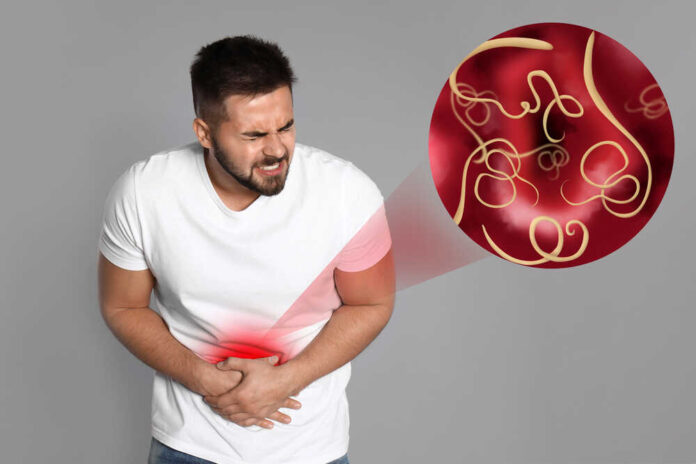
A parasite lives in or on you and benefits at your expense. Unlike your friendly gut bacteria, true parasites don’t give you anything in return. They steal nutrients, damage tissue, trigger inflammation, and can cause serious illness if the infection is heavy or prolonged.
The important nuance:
- Lots of microbes in your gut = normal
- Actual parasitic infection = not normal, not something you’re supposed to just “live with”
How Common Are Gut Parasites, Really?
This is where context matters.
Globally, intestinal parasites are absolutely a big deal. In many parts of the world with limited sanitation and unsafe drinking water, infections with worms and protozoa are common and can cause anemia, stunting, malnutrition, and serious illness.
In high-income countries like the U.S. and much of Europe, the picture is very different:
- The most common gut parasite in the U.S. is Giardia, which spreads mainly through contaminated water, daycare settings, and close person-to-person contact. The CDC estimates more than a million Americans get giardiasis each year.
- The most common worm infection in the U.S. is pinworm, especially in kids. It’s annoying and itchy, but rarely dangerous and is easily treated.
- Other serious parasites (like hookworm, Strongyloides, or tapeworms) do occur, but usually in specific risk groups: people with significant poverty and sewage exposure, certain rural areas in the South, people who’ve lived or traveled in endemic regions, or people with specific animal or soil exposures.
So yes, parasites exist in wealthy countries, and they matter in public health. But for the average healthy person with clean water, indoor plumbing, and no major exposure risks, a severe hidden worm infestation is not the default explanation for every symptom.
When Parasites Are A Big Deal
There are plenty of situations where parasites aren’t just hype—they’re very real problems. For example:
- You have watery, greasy, foul-smelling diarrhea, cramping, and weight loss after camping, drinking untreated water, or traveling. That’s classic Giardia territory.
- A child has intense nighttime anal itching, especially around the butt (pinworm).
- You’ve lived or traveled in areas with poor sanitation and now have chronic abdominal pain, anemia, or weird nutrient deficiencies.
- You see actual worms or segments in your stool (gross, yes; diagnostically helpful, also yes).
- You’re immunocompromised (certain parasites can cause more severe disease in people with weakened immune systems).
In these cases, parasites are absolutely not a wellness trend—they’re infections that deserve real testing and real treatment.
The Parasite-Cleanse Trend: Hype vs Reality
Wellness influencers love a good villain, and “parasites” make a perfect one. Recently, social media and even celebrities have promoted the idea that everyone has parasites and that you should regularly “cleanse” them out with herbs, restrictive diets, or long supplement protocols—even without symptoms or diagnosis.
Here’s what actual medical sources say:
- Major medical centers and dietitians report no solid evidence that over-the-counter “parasite cleanses” work for real infections.
- Many cleanses use high doses of herbs (like wormwood, clove oil, black walnut) that can irritate the gut or, in extreme cases, stress the liver or nervous system.
- “Die-off” reactions are often marketed as proof that the cleanse is working, but they can easily just be side effects of harsh ingredients or extreme diets.
- Some people mistake normal mucus, bits of food, or intestinal lining for “worms” in the toilet; there are whole Reddit threads of people proudly photographing spaghetti-looking things that lab testing later says are not parasites.
The biggest risk isn’t just the herbs themselves—it’s delay. If you actually do have a parasite and spend weeks self-treating with cleanses, you may put off getting correct testing and medication. In the meantime, the infection can linger or worsen.
Can Parasites Ever Be…Helpful? The Hygiene Hypothesis
Here’s where the story gets interesting.
There’s a long-running theory called the hygiene hypothesis (and its cousin, the “old friends” hypothesis). The idea: humans evolved alongside certain microbes and worms for thousands of years. In super-clean modern environments—fewer infections, more antibiotics, less dirt—our immune systems may become a little “bored” and start overreacting, contributing to allergies and autoimmune diseases.
Some studies suggest that intestinal worms (helminths) can:
- Increase regulatory T-cells, which help calm excessive immune responses
- Shift the immune balance away from chronic inflammation, potentially helping conditions like inflammatory bowel disease in experimental settings
A few small clinical trials have literally given people controlled helminth infections to see if it helps diseases like Crohn’s or ulcerative colitis. The results are mixed and very much not ready for DIY.
Two key takeaways:
- This research does not mean the random worms you might pick up in contaminated water are good for you. Those can still cause anemia, malnutrition, and organ damage.
- It does mean our relationship with the microscopic world is complex. Not every microbe is evil; not every microbe is a superfood. The internet just doesn’t love nuance.
“I Have Every Symptom On Google – Do I Have Worms?”
Parasites can cause:
- Diarrhea or greasy, floating stools
- Cramping, bloating, gas
- Unexplained weight loss
- Sometimes anemia, nutrient deficiencies, or fatigue
The problem? Those symptoms are also classic for:
- IBS
- Food intolerances (like lactose or FODMAP issues)
- Celiac disease
- Inflammatory bowel disease
- Small intestinal bacterial overgrowth (SIBO)
- Stress and anxiety (the gut–brain axis is very real)
So if you type “bloating tired brain fog” into the internet, you’ll easily stumble into parasite TikTok, hormone TikTok, candida TikTok, and possibly a side quest into mold.
But overlapping symptoms don’t mean overlapping causes. That’s why laboratory testing and a real history (travel, water exposures, animals, etc.) are so important.
How Doctors Actually Diagnose And Treat Parasites
Instead of guessing, the medical approach is almost boringly straightforward:
- Risk assessment
- Have you traveled somewhere with unsafe water or sanitation?
- Do you camp, backpack, or drink untreated surface water?
- Do you work with animals, kids in daycare, or in settings with poor plumbing?
- Stool tests (ova and parasite exam, antigen tests, PCR panels)
- These look for parasite DNA, antigens, or actual eggs/organisms in your stool.
- Targeted treatment
- If tests are positive, you get specific medications (like nitazoxanide, metronidazole, albendazole, ivermectin, depending on the organism). These are usually short courses, not months-long detox odysseys.
- Retesting or follow-up if symptoms persist or if the parasite is known to be stubborn.
This is dramatically more reliable than “I did a cleanse and saw stuff in the toilet, so I must have had worms.”
Smart Prevention That Doesn’t Require a 40-Day Cleanse
You can lower your risk of parasites in simple ways that don’t involve dramatics:
- Water safety:
- Don’t drink untreated stream/lake water; use filters or boil.
- Food handling:
- Wash produce, cook meat thoroughly, avoid cross-contamination with cutting boards and knives.
- Travel hygiene:
- Be careful with tap water, ice, raw foods, and street food in places where water quality is uncertain.
- Handwashing:
- Especially after bathroom use, diaper changes, pet cleanup, gardening, and before preparing food.
- Pets:
- Keep them on vet-recommended deworming schedules. Some pet parasites can infect humans.
Notice that none of this requires a subscription box or a 20-ingredient tincture.
So… Are Parasites As Big A Deal As The Internet Says?
Short answer:
- On a global scale
- Yes, intestinal parasites are a huge health issue in many parts of the world and absolutely deserve serious attention, funding, and prevention efforts.
- For the average person in a high-income country with safe water and decent sanitation
- They’re possible but not wildly common, and they are not the secret cause of every vague symptom.
- If you genuinely have a parasite, you’re usually better off with testing and a targeted prescription than a trendy cleanse.
The internet has taken a real phenomenon—parasitic infections—and blown it up into a kind of catch-all bogeyman and marketing opportunity.
A more grounded way to think about it:
- Respect parasites. They’re real and can be serious.
- Don’t assume every problem is a worm. There are many, many other explanations for bloating, fatigue, or skin issues.
- If your story actually fits a parasite risk (travel, water exposure, sudden diarrhea and weight loss), talk with a clinician about testing instead of self-experimenting.
That way you get the best of both worlds: you’re not in denial that parasites exist—but you’re also not letting wellness TikTok convince you that your gut is a haunted house that needs a monthly exorcism.
Copyright 2025, GoHealthier.com