

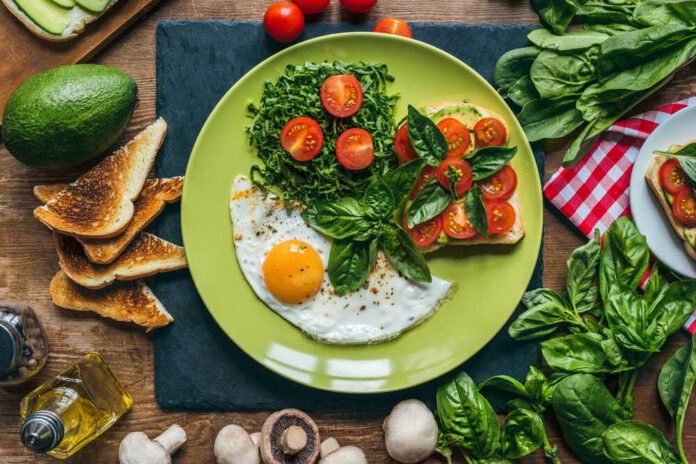
The mantra used to be that breakfast was the most important meal of the day, and then intermittent fasting became popular and breakfast was out. So is breakfast a hero or zero? Breakfast isn’t a magic fat-loss switch or a villain. For most healthy adults, it’s optional. What matters far more is your total daily diet quality, protein distribution, meal timing that fits your schedule, and how you perform and feel. That said, breakfast can be a powerful tool for some goals and people. Here’s the fun, no-nonsense guide.
The Myths and What’s Actually True
- “Breakfast jump-starts your metabolism.”
Your daily burn depends mainly on body size, muscle, movement, and total calories, and not whether you ate at 8 a.m. Eating any meal burns a bit of energy (thermic effect), but skipping or eating breakfast doesn’t radically change 24-hour metabolism. - “Skipping breakfast makes you store fat.”
There’s no hard rule. Some folks naturally eat less overall if they skip breakfast; others overcompensate later. The winner is whichever pattern helps you control total intake without feeling deprived. - “Breakfast is essential for everyone’s brainpower.”
Children and teens often learn and behave better with a balanced breakfast. In adults, effects are mixed, with some feeling sharper with food, while others feel sharper with coffee and a late first meal.
When Breakfast Helps (Green Lights)
- You train in the morning.
A pre- or post-workout meal with 25–40 g protein and some carbs boosts performance and recovery. Lifting on fumes? Expect weaker sessions. - You’re chasing muscle.
Muscles respond best to evenly spaced protein hits. Adding a protein-rich breakfast can turn two protein meals into three or four, which is great for hypertrophy or preserving muscle while dieting. - You get afternoon snack attacks.
A high-protein, high-fiber breakfast (eggs/Greek yogurt + fruit/whole grains) can flatten cravings later. - You have diabetes or insulin resistance and wake up ravenous.
Many do better with a protein-forward, lower-sugar breakfast to steady glucose and appetite. - You’re a morning chronotype.
If you naturally feel strongest and hungriest early, then ride the wave and front-load more of your calories.
When Skipping Is Fine or Preferable
- Time-restricted eating suits you.
If a late first meal helps you control calories and you still hit protein, fiber, and nutrients by day’s end, you’re not breaking biology. - You feel nauseated early or your schedule is chaotic.
Forcing a 7 a.m. omelet you resent isn’t “healthier” than waiting till 10–11 a.m. - You sleep better when you stop eating late.
Some people do best finishing dinner earlier and letting breakfast slide to mid-morning.
What About “Front-Loading” Calories?
Your body tends to be more insulin-sensitive earlier in the day. Some people notice steadier energy and easier appetite control by eating more at breakfast/lunch and less at dinner. This isn’t mandatory, but if evenings are your danger zone for grazing, front-loading can help.
Build a Better Breakfast (If You Eat It)
Think PFC: Protein + Fiber + Color (produce). Aim for 25–40 g protein and 8–12 g fiber.
- High-Protein Classics
- Greek yogurt parfait: yogurt (20–25 g protein) + berries + high-fiber cereal/chia + nuts
- Egg scramble: 2–3 eggs + egg whites + veggies + avocado; side of fruit or whole-grain toast
- Protein oatmeal: oats cooked in milk; stir in whey/collagen; top with blueberries and walnuts
- Cottage cheese bowl: cottage cheese + pineapple + ground flax + cinnamon
- Grab-and-Go
- Protein smoothie: milk or kefir + protein powder + frozen berries + spinach + oats
- High-protein overnight oats or chia pudding jars
- Whole-grain wrap with eggs/turkey, spinach, salsa
Watch-outs: Sugary cereals, pastries, and “dessert coffees” create big spikes and crashes. If you love them, anchor with protein (e.g., eggs + small pastry) and add fruit for fiber.
If You Skip Breakfast, Do It Smart
- Front-load hydration (water, plain tea/coffee).
- Make lunch count: open with protein (25–40 g) and vegetables; add smart carbs for your activity level.
- Don’t skimp on total protein: still hit 0.7–1.0 g per lb bodyweight (1.6–2.2 g/kg) across 2–4 meals.
- Plan a safety snack (Greek yogurt, fruit + nuts, jerky + apple) to avoid 4 p.m. vending-machine mayhem.
Special Cases
- Kids/teens: Breakfast is usually beneficial for attention, mood, and sports; keep it balanced (protein + fiber).
- Morning exercisers: Fuel or at least refuel soon after with protein + carbs.
- Shift workers: Anchor one consistent “breakfast” tied to your wake time (not the clock) and keep meals regular to help circadian rhythm.
- Weight-loss plateaus: Try a higher-protein breakfast for two weeks; if hunger later drops and calories stay steady, keep it. If not, a later first meal may suit you better.
A Simple Decision Tree
- Do you wake up hungry or train early?
Yes → Eat breakfast (PFC template).
No → Skip or delay. - Are evenings your overeating window?
Yes → Shift more calories to breakfast/lunch.
No → Keep what’s working. - Is your progress stalled (fat loss, muscle, energy)?
- Try two weeks with and two weeks without breakfast, keeping calories and protein equal.
- Keep the version that gives you better adherence, energy, and results.
Breakfast isn’t universally “most important,” nor is it overrated nonsense. It’s a tool. Use it if it improves your training, appetite control, and nutrition; skip it if your performance, mood, sleep, and results are better without. The champions, either way, are total protein, fiber-rich whole foods, and a routine you can repeat.
Copyright 2025, GoHealthier.com