
The internet is abuzz with claims that kiwis are a superhero fruit. Claims range from “better than oranges for immunity” to “nature’s sleep aid” to “a digestion cheat code.” But how much is hype, and how much is legit? Here’s a clear tour through what kiwis actually do—and don’t do—for your health.
Meet the Fruit
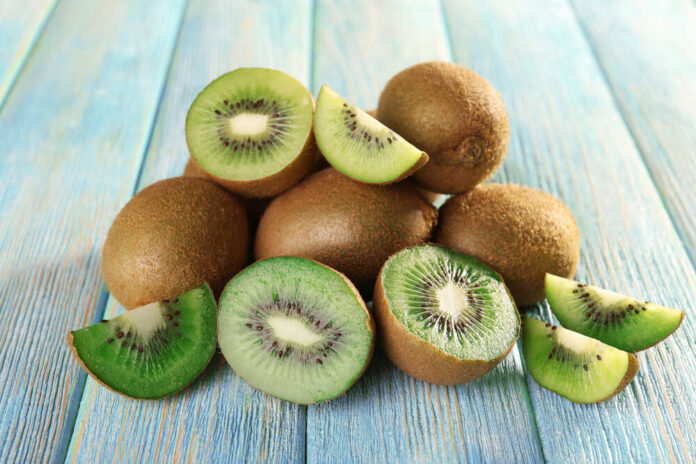
A standard green kiwi (about 75–90 g) is small but stacked: roughly 60 calories, 2–3 g fiber, and a wallop of vitamin C (often 70–90 mg—around a full day’s worth). Gold kiwis tend to be a bit sweeter and even higher in vitamin C. You also get potassium, vitamin K, folate, vitamin E, and a colorful mix of polyphenols.
Claim 1: “Kiwis turbo-charge immunity”
Partly true. Vitamin C supports immune defenses and may modestly shorten common-cold duration in some people. A single kiwi often covers your daily target, and two kiwis can push you well over. That doesn’t mean you’ll never get sick; it means you’re giving your immune cells the raw material they like. Call it helpful, not magical.
Claim 2: “Kiwis help you sleep”
There’s intriguing but early evidence. Small studies suggest that eating two kiwis about an hour before bed improved sleep onset and efficiency in adults with sleep difficulties. Why? Theories include kiwi’s serotonin content, antioxidants, and folate. It’s not a clinical insomnia treatment, but as a low-risk experiment, two kiwis in the evening is worth a try.
Claim 3: “Kiwis fix digestion”
This one has teeth. Green kiwi contains an enzyme called actinidin that helps break down proteins, and multiple studies find green kiwi can improve bowel regularity and ease constipation when eaten daily (typically 2 kiwis). Add the 2–3 g of fiber and a good water intake, and you’ve got a gentle, food-first strategy for gut comfort.
Claim 4: “Kiwis are the best fruit for athletes”
They’re good, not exclusive. Kiwis deliver fast-acting carbs, vitamin C (which may help offset heavy-training oxidative stress), potassium for fluid balance, and that protein-digesting enzyme. Are they “the best”? Depends on context. Bananas, oranges, berries, and dates all have athletic superpowers too. Think of kiwis as a versatile teammate in a deep bench.
Claim 5: “Kiwis melt fat”
Nope. Kiwis can support a calorie-aware plan because they’re fiber-rich, sweet, and modest in calories, but they don’t directly burn fat. No fruit does. They can, however, make it easier to choose something nutritious when you want something sweet.
Green vs. Gold vs. Zespri SunGold—Does It Matter?
Green: tangier, higher in actinidin (digestion helper), slightly more fiber.
Gold: sweeter, often even more vitamin C, typically lower acidity (gentler on some stomachs).
Pick what you’ll actually eat regularly. If digestion support is your goal, lean green; if you want ultra-high vitamin C with a sweeter bite, go gold.
What About the Skin?
It’s edible and fiber-rich. If the fuzz puts you off, rub it with a towel, choose smoother-skinned gold varieties, or slice the fruit into rounds and eat it like kiwi “chips.” If you prefer to scoop, that’s fine—just know you’ll leave a little fiber behind.
Kiwis and Blood Sugar
Kiwis have a relatively low glycemic index and a helpful fiber+water combo. Many people with glucose concerns can fit 1–2 kiwis into meals or snacks, especially paired with protein or yogurt. As always, test and see how your body responds.
Potential Downsides and Who Should Be Careful
Allergy: Kiwi allergy exists (often alongside latex or certain pollen allergies). If you notice mouth itching, swelling, or GI upset after eating kiwi, get medical guidance.
Kidney stones: Kiwis contain oxalate; if you’re on a low-oxalate plan, ask your clinician how they fit.
Kidney disease/meds: Because kiwis contain potassium and vitamin K, people with advanced CKD or on certain anticoagulants may need personalized advice (usually manageable, but tailor it).
Heartburn: The acidity of green kiwi can bother some people; gold kiwi is typically gentler.
How Many Kiwis Make Sense?
For most healthy adults, 1–2 kiwis a day is a practical sweet spot. That’s enough to cover vitamin C, add fiber, and nudge digestion and sleep experiments without crowding out other produce. If you’re aiming to ease constipation, many studies used two greens daily.
Five Kiwi Combos that Punch Above Their Weight
Kiwi + Greek yogurt + pumpkin seeds: protein, vitamin C, zinc, fiber—excellent for immunity and satiety.
Kiwi + cottage cheese + cinnamon: creamy-tart snack with 20+ g protein if you size it right.
Kiwi + spinach smoothie with ginger and a squeeze of lime: bright, vitamin-rich, and easy on the gut when blended.
Kiwi salsa (diced kiwi, cilantro, jalapeño, lime) over salmon or tofu: vitamin C helps iron absorption from plants and gives a fresh pop to protein.
Overnight oats with kiwi and chia: slow-release carbs, omega-3s, and digestion-friendly fiber.
Storage and Selection Tips
Choose kiwis that yield slightly to gentle pressure at the crown; rock-hard means underripe. Ripen on the counter away from heat; a paper bag with an apple or banana speeds it up. Move to the fridge when they’re just soft for a few extra days of prime flavor.
Where Kiwis Actually Shine
Immunity support: strong, realistic yes thanks to vitamin C and antioxidants.
Digestion/regularity: solid yes, especially with green kiwi and adequate hydration.
Sleep: promising for some; try two kiwis pre-bed for a couple weeks and assess.
Athletic utility: good team player; not a monopoly.
Weight loss: supportive, not magical.
Kiwis are not a miracle, but they’re impressively useful: high in vitamin C and fiber, gentle on calories, helpful for digestion, and potentially supportive for sleep. Think of them as a high-performing role player you’ll be happy to have on your roster most days. If you enjoy the taste, 1–2 kiwis a day is an easy, tasty habit that earns its keep—no cape required.
Copyright 2025, GoHealthier.com