
When it comes to minerals, magnesium seems to get all the hype, but there’s a quiet mineral working behind the scenes that deserves a standing ovation: potassium. This mineral may not have the viral star power of magnesium, but this nutrient plays a starring role in keeping your ticker steady and strong.
Let’s explore why potassium is such a heart health MVP, what happens when you don’t get enough (or get too much), and how you can strike the right balance.
What Potassium Actually Does
Potassium is an electrolyte—a mineral that carries an electric charge in the body. That charge is critical for:
- Regulating heartbeat: Potassium helps your heart’s electrical system fire properly, keeping rhythm steady.
- Balancing fluids: It works with sodium to control fluid balance, blood volume, and pressure.
- Muscle contraction: Every heartbeat is a muscle contraction—and potassium makes it possible.
- Nerve signaling: It helps send messages between cells, including the ones that tell your heart when to beat.
Think of potassium as the behind-the-scenes stage manager for your cardiovascular system—without it, the show doesn’t go on smoothly.
Potassium and Blood Pressure: A Powerful Duo
One of potassium’s biggest claims to fame is its relationship with blood pressure, a major risk factor for heart disease and stroke.
- Too much sodium makes the body hold onto water, raising blood pressure.
- Potassium counters sodium by helping your kidneys flush out excess salt and relax blood vessel walls.
In fact, research shows that diets rich in potassium can lower blood pressure in people with hypertension—sometimes as effectively as first-line medications. That’s why potassium is often called “nature’s blood pressure pill.”
When Potassium Gets Too Low (Hypokalemia)
Low potassium isn’t just a minor imbalance; it can be dangerous for your heart.
Causes:
- Excessive sweating (think marathon runners)
- Diuretics (often prescribed for high blood pressure)
- Chronic diarrhea or vomiting
- Not eating enough potassium-rich foods
Heart-related symptoms:
- Irregular heartbeats (arrhythmias)
- Palpitations
- Muscle weakness, which can affect the heart muscle itself
Severe hypokalemia can be life-threatening because it disrupts the heart’s ability to beat properly.
When Potassium Gets Too High (Hyperkalemia)
On the flip side, too much potassium can also be harmful—especially for people with kidney disease, since the kidneys filter out excess.
Causes:
- Kidney problems
- Certain medications (ACE inhibitors, potassium-sparing diuretics)
- Very high supplementation
Heart-related symptoms:
- Abnormal heart rhythms
- Slow or weak heartbeat
- In extreme cases, cardiac arrest
This is why potassium supplements should only be taken under medical supervision. More isn’t always better.
How Much Potassium Do You Need?
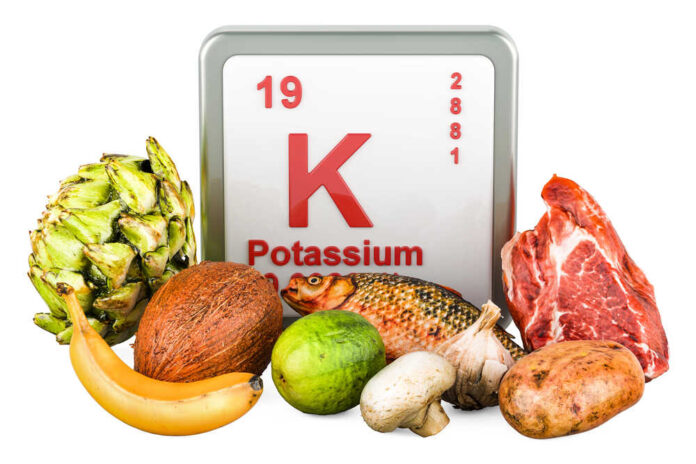
The recommended daily intake for adults is around 4,700 mg per day. Most people fall short—especially those eating processed foods (high in sodium, low in potassium).
Food sources to love:
- Bananas (the cliché, but not the richest)
- Sweet potatoes
- Spinach, kale, and Swiss chard
- Avocados
- Beans and lentils
- Salmon and tuna
- Oranges, cantaloupe, and apricots
Pro tip: build meals that pair potassium-rich foods with lean proteins and whole grains, and you’ll naturally hit your daily target.
The Potassium–Heart Health Connection in a Nutshell
- Keeps your heartbeat regular by maintaining electrical stability.
- Lowers blood pressure by countering sodium’s effects.
- Supports vessel health by relaxing artery walls.
- Reduces stroke risk in people with adequate intake.
Practical Hacks for Boosting Potassium Naturally
- Swap white potatoes for sweet potatoes—double the potassium bonus.
- Use beans or lentils in soups and salads—they’re potassium goldmines.
- Make smoothies with spinach, banana, and yogurt for a tasty electrolyte hit.
- Add avocado to toast, tacos, or salads—it’s creamy, filling, and heart-healthy.
Potassium might not get the spotlight, but it’s one of the heart’s closest allies. It balances sodium, lowers blood pressure, keeps your heartbeat steady, and reduces cardiovascular risk. Most of us don’t get enough—yet the best sources are sitting right in the produce aisle, waiting to be enjoyed.
So, the next time you slice into a sweet potato, mash up an avocado, or toss spinach into your omelet, remember that you’re not just eating well—you’re giving your heart the mineral boost it craves.
Copyright 2025, GoHealthier.com