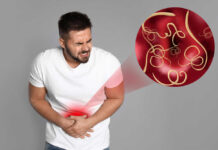


You cough twice, Google “coughing causes,” and three clicks later you’re convinced you have a new strain of COVID that is more virulent than any past strains. Sound familiar? Welcome to the modern-day pastime of self-diagnosis—equal parts empowering, terrifying, and potentially misleading.
But is it actually safe to play doctor with yourself? Let’s unpack the pros, the cons, and the “please-don’t-do-that” zones of self-diagnosis.
The Rise of the At-Home Detective
The internet has turned all of us into amateur health sleuths. With a few keystrokes, we can look up symptoms, compare rashes, and join forums where people share eerily similar experiences. Add wearable tech, at-home testing kits, and health apps to the mix, and suddenly, you have more data on yourself than your doctor might. While there are potential upsides to more health info, there are some significant downsides as well.
The Pros of Self-Diagnosis
- Early Detection
Noticing a suspicious mole, unexplained fatigue, or changes in your body can prompt you to seek medical help sooner.
- Patient Empowerment
Knowing basic medical terminology and understanding your body can help you have better, more informed conversations with healthcare providers.
- Access to Information
For people in remote areas or with limited healthcare access, researching symptoms can be a first step toward care.
The Cons of Self-Diagnosis
- The Spiral of Doom
Type “headache” into a search bar and you’ll get everything from “drink more water” to “brain tumor.” The more you read, the worse your anxiety can get—a phenomenon known as cyberchondria.
- Confirmation Bias
If you’re convinced you have a specific illness, you’ll naturally seek out information that supports it and ignore evidence that doesn’t.
- Missed or Delayed Real Diagnosis
Some serious conditions share symptoms with minor issues. A “simple” backache could be a pulled muscle—or something much more urgent. Self-diagnosing incorrectly can delay proper treatment.
- Over-Treatment or Wrong Treatment
Trying to “fix” yourself with supplements, over-the-counter meds, or lifestyle changes without medical guidance can backfire—especially if you’re masking symptoms of a deeper problem.
The Middle Ground: Safe Self-Diagnosis Practices
If you’re going to do some detective work, here’s how to keep it helpful instead of harmful:
- Stick to Reliable Sources
Use reputable sites like the CDC, Mayo Clinic, or NHS, not random forums or fear-fueled TikTok videos. - Look for Patterns, Not Just One Symptom
A single symptom rarely tells the full story. Consider timing, triggers, and combinations of symptoms. - Treat It as a Hypothesis, Not a Conclusion
Think: “I might have…” rather than “I definitely have…” - Get Professional Confirmation
Use your research to inform questions for a healthcare provider, not to skip them altogether.
When to Drop the Laptop and Call the Doctor
Self-diagnosis crosses into unsafe territory when you:
- Experience sudden, severe, or worsening symptoms
- Have signs of a potential emergency (chest pain, difficulty breathing, high fever, neurological changes)
- Rely solely on online advice instead of getting medical evaluation
- Start or stop prescription medications without professional input
Self-diagnosis is like using a home hair dye kit—it can work out fine in some cases, but it can also go spectacularly wrong. Use it as a starting point for understanding your body, not the final verdict. Think of yourself as a co-detective, with your healthcare provider as the lead investigator.
That way, you get the best of both worlds: informed curiosity and professional expertise.
Copyright 2025, GoHealthier.com