
IBS (Irritable Bowel Syndrome) often feels like your gut has a mind of its own—one day it’s sharp cramps or twisting belly pain, the next it’s bloating so intense you feel like a balloon about to pop. Bathroom habits swing unpredictably between urgent, loose stools and stubborn constipation, sometimes with the frustrating sense you didn’t quite “finish.” Gas, nausea, and fatigue often tag along, and while the condition doesn’t damage your intestines, its unpredictability can make everyday life—meals, social plans, even travel—feel like you’re always one step away from a digestive ambush. While stress, diet, and gut-brain signaling are usually the stars of the IBS show, there’s a quieter subplot worth paying attention to: vitamin deficiencies.
Could a missing nutrient be making your IBS worse? Let’s break down what the science says.
IBS and Nutrition: A Complicated Relationship
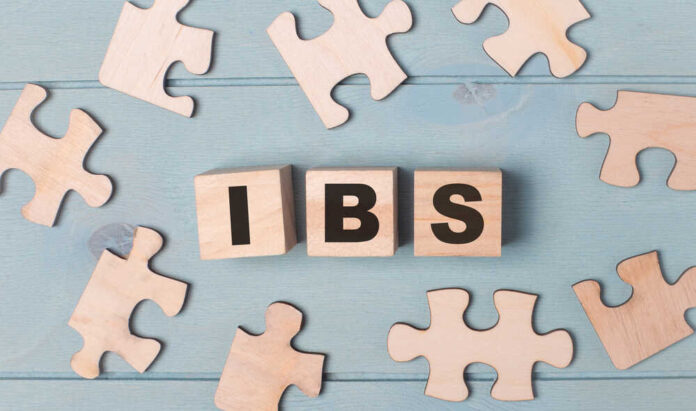
IBS doesn’t have a single cause—it’s more like a puzzle with many pieces: gut motility, gut bacteria, food intolerances, stress, and yes, sometimes nutrient status.
People with IBS often avoid certain foods (like dairy, gluten, or high-FODMAP fruits and veggies), which can accidentally lead to vitamin deficiencies. On the flip side, deficiencies themselves may worsen gut issues, creating a frustrating cycle.
The Vitamin Suspects
- Vitamin D
The link: Low vitamin D levels are strikingly common in people with IBS. Research shows that deficiency is associated with more severe symptoms and lower quality of life.
Why it matters:
- Vitamin D has anti-inflammatory effects.
- It supports gut barrier integrity (helping keep the gut lining strong).
- It modulates the immune system, which is often overreactive in IBS.
Doctor’s note: Supplementation has shown promise in reducing IBS symptom severity in some studies, though it’s not a guaranteed cure.
Food sources: Fatty fish (salmon, mackerel), fortified dairy or plant milks, and egg yolks. Sunshine helps too.
- Vitamin B12
The link: IBS symptoms—like diarrhea, malabsorption, or restrictive diets—can leave people short on B12.
Why it matters:
- B12 supports nerve function (important for gut-brain signaling).
- Deficiency can lead to fatigue, brain fog, and even worsen bowel irregularity.
- In severe cases, low B12 can mimic neurological symptoms that overlap with IBS complaints.
Food sources: Meat, poultry, fish, dairy, and fortified plant-based foods.
- Folate (Vitamin B9)
The link: Some people with IBS avoid leafy greens, beans, or fortified grains—prime folate sources. Folate deficiency has been noted in subsets of IBS patients.
Why it matters:
- Folate is key for cell repair, DNA synthesis, and gut lining maintenance.
- Low folate may exacerbate fatigue and worsen overall wellbeing.
Food sources: Spinach, asparagus, lentils, avocados, fortified grains.
- Vitamin A
The link: Less studied than D or B vitamins, but vitamin A deficiency can compromise mucosal lining health. Since the gut lining is a frontline defense in IBS, low vitamin A may add fuel to the fire.
Why it matters:
- Supports immune balance in the gut.
- Maintains epithelial (gut wall) health.
Food sources: Carrots, sweet potatoes, leafy greens, eggs, and liver.
Mineral Side Note: Don’t Forget Magnesium and Iron
While not vitamins, these minerals deserve a shoutout:
- Magnesium: Low levels can contribute to constipation (common in IBS-C).
- Iron: Frequent diarrhea can impair absorption, and deficiency may cause fatigue.
The Chicken-or-Egg Problem
Do vitamin deficiencies cause IBS, or does IBS make you more likely to develop deficiencies? The answer is likely a bit of both. For example:
- IBS-D (diarrhea-dominant) can flush nutrients out before they’re absorbed.
- IBS-C (constipation-dominant) might reflect sluggish motility influenced by low nutrients like magnesium.
- Restrictive diets (like low-FODMAP) can unintentionally limit key vitamins.
Should You Get Tested?
If you have IBS and also experience fatigue, brain fog, frequent illness, or noticeable hair/skin changes, it’s worth asking your doctor about testing for:
- Vitamin D
- Vitamin B12
- Folate
- Iron
- Magnesium
Blood tests can reveal if deficiencies are playing a role in your IBS picture.
IBS is complex, but vitamin deficiencies can act like gasoline on the fire. Vitamin D, B12, folate, and vitamin A are the big ones to watch, along with minerals like magnesium and iron.
The good news? Paying attention to nutrient status—through diet, supplements if needed, and medical guidance—can not only improve gut symptoms but also boost energy, mood, and overall health.
So, the next time your gut is giving you grief, don’t just blame the broccoli or stress. Ask yourself: could your vitamin tank be running on empty? Vitamins deficiencies are likely not the entire cause of your IBS, but they are an easy thing to check off your list.
Copyright 2025, GoHealthier.com