
There is a certain gladiator-style mentality in gym culture, characterized by the phrase “no pain, no gain.” While pushing through the burn is part of getting stronger, some pains aren’t a normal part of the process and shouldn’t be ignored. There exists a fine line between the discomfort that signals growth and the pain that warns of injury. While soreness and fatigue are expected after a tough session, certain types of pain are red flags your body uses to say, “stop now.” Ignoring them can sideline your progress—or worse, lead to long-term damage.
Here’s a breakdown of workout pains you should never ignore, why they matter, and what they might mean:
- Sharp or Sudden Joint Pain
If you feel a stabbing pain in your knees, shoulders, elbows, or hips—especially during movement—it’s a clear sign to stop. Joint pain can indicate:
- Ligament sprains or tears (e.g., ACL, rotator cuff)
- Cartilage damage
- Tendonitis or bursitis
Why it matters: Unlike sore muscles, joint pain doesn’t lead to gains—it’s a signal of potential structural damage. Continuing can worsen the issue and result in surgery or chronic instability.
- Persistent Lower Back Pain
Mild tightness in the lower back after deadlifts is common, but persistent, sharp, or radiating pain is not. This type of pain may be a warning sign of:
- Herniated discs
- Muscle strain or spasm
- Sciatica (nerve compression)
Why it matters: The lower back is central to almost every compound movement. Ignoring pain here can lead to long-term spinal issues and mobility problems.
- Pain That Radiates or Shoots Down a Limb
If you feel pain, numbness, or tingling running down your leg or arm, stop immediately. This usually points to:
- Nerve impingement
- Spinal disc issues
- Pinched nerves in the shoulder or neck
Why it matters: Nerve-related injuries don’t go away with rest alone and can worsen without proper treatment. The earlier they’re addressed, the better the outcome.
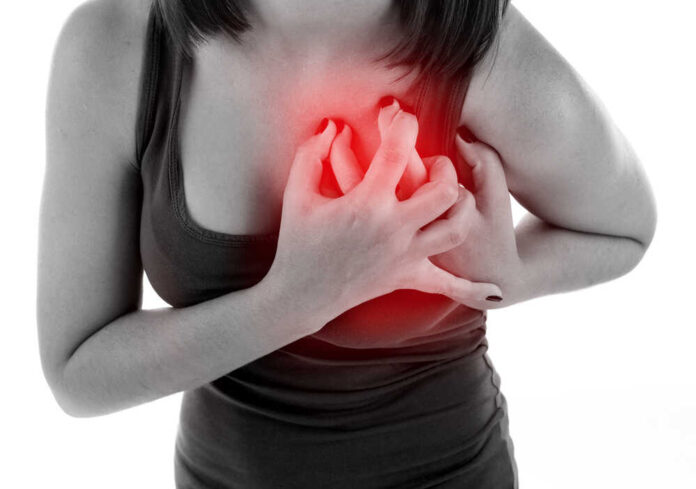
- Throbbing or Dull Chest Pain
Any unusual pain or pressure in your chest during or after exercise should be taken seriously. It could indicate:
- Heart strain or cardiovascular issues
- Muscle strain in the chest wall
- Angina or signs of a heart attack
Why it matters: Especially for middle-aged and older individuals or those with risk factors, chest pain is a medical emergency. When in doubt, seek help immediately.
- Swelling and Bruising After a Workout
Unexplained swelling, bruising, or discoloration around joints or muscles can suggest:
- A torn muscle or ligament
- Internal bleeding from an injury
- Overuse trauma
Why it matters: These symptoms often indicate that something has torn or ruptured. Continuing to move or load the area can lead to worse outcomes and delayed healing.
- Pain That Gets Worse, Not Better, With Movement
Typical soreness (DOMS) usually improves as you warm up. But if pain intensifies during exercise, particularly in a specific area, you may be dealing with:
- A strain or sprain
- An overuse injury
- A stress fracture
Why it matters: True injuries worsen with use. Ignoring this pattern can cause a minor issue to evolve into a chronic or surgical condition.
- Pain That Lingers for More Than a Few Days
Muscle soreness from a tough session generally fades within 48–72 hours. If pain lasts longer, becomes more intense, or restricts normal movement, it may signal something more serious—like a tear or ongoing inflammation.
Listening to your body is just as important as lifting the weight. While some soreness is a badge of effort, not all pain is created equal. Sharp, shooting, persistent, or swelling-associated pain are signs that something may be wrong. Rest, ice, and time might be enough in some cases, but when in doubt, consult a physical therapist or sports medicine specialist. Your long-term strength and mobility depend on knowing when to push—and when to pause. Consistency in exercise is often ranked as the most important factor in gains, so getting an injury that turns chronic because you ignored it can sideline you from going to the gym for weeks and even months. Take care of your body and your body will take care of you.
Copyright 2025, GoHealthier.com