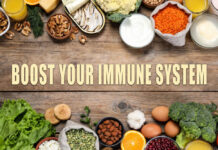


The Pegan diet, not to be confused with the Pagan diet, which undoubtedly has to do with pentagrams and nature beings, is a hybrid eating style that combines principles of the Paleo diet and the Vegan diet. It was created by Dr. Mark Hyman with the goal of taking the best parts of both approaches and avoiding their extremes.
What the Pegan Diet Looks Like
- Plant-based focus (about 75%): Vegetables, fruits, nuts, seeds, and some legumes.
- Animal foods in moderation: Small portions of sustainably raised meat, poultry, or fish are allowed, unlike in a vegan diet.
- Low glycemic load: Limited refined sugars, processed foods, and high-starch carbs.
- Healthy fats: Emphasis on omega-3-rich foods such as fish, chia seeds, flaxseeds, avocados, and olive oil.
- Limited dairy and gluten: These are largely excluded, except for occasional grass-fed dairy or gluten-free grains.
What Dietitians Think
Positives:
- Encourages whole, unprocessed foods.
- Heavy emphasis on vegetables and plant diversity.
- Cuts down on refined carbs and sugars, which most dietitians recommend.
- Allows flexibility with moderate animal protein intake.
Concerns:
- Restrictive rules (such as limiting whole grains, dairy, and legumes) may not be necessary for most people.
- Could make it harder to get certain nutrients affordably, since legumes and grains are inexpensive protein and fiber sources.
- May be socially challenging or difficult to maintain long-term.
Most dietitians see the Pegan diet as a nutrient-dense, plant-forward template that can be healthful if followed flexibly. They often recommend adapting its principles to fit personal needs rather than adhering rigidly.
Here’s a simple 1-day Pegan diet meal plan to give you a feel for what it looks like in practice. It balances the plant-forward focus with small portions of animal protein, while keeping carbs lower-glycemic and emphasizing healthy fats.
Sample 1-Day Pegan Diet Meal Plan
Breakfast
- Avocado & Veggie Scramble
- 2 eggs (preferably pasture-raised) scrambled with spinach, mushrooms, and onions
- Half an avocado sliced on top
- Side of mixed berries (blueberries, raspberries, blackberries)
- Herbal tea or black coffee
Snack
- Nut & Seed Mix
- Small handful of walnuts, pumpkin seeds, and sunflower seeds
- 1 small apple or pear
Lunch
- Grilled Salmon Salad
- Wild-caught salmon fillet (about 4 oz)
- Large mixed greens base (arugula, kale, spinach)
- Cucumber, radish, cherry tomatoes, and avocado
- Olive oil and lemon dressing
Snack
- Veggie Sticks with Almond Butter
- Celery and carrot sticks
- 2 tablespoons unsweetened almond butter
Dinner
- Roasted Chicken with Vegetables
- Small portion of pasture-raised chicken (skin-on thigh or breast)
- Roasted Brussels sprouts, broccoli, and cauliflower
- Drizzle of tahini sauce for flavor and healthy fat
Dessert (Optional)
- Coconut Chia Pudding
- Chia seeds soaked in unsweetened coconut milk, topped with a few fresh berries
Why This Works
- Plant-forward: 70–75% of the plate is vegetables, fruits, nuts, and seeds.
- Animal protein in moderation: Lean, sustainably sourced portions for satiety and nutrition.
- Healthy fats: Avocado, nuts, seeds, tahini, and olive oil.
- Low glycemic load: Limited starch, refined grains, or sugars.
- Gluten and dairy light: No gluten, and dairy alternatives are used.
The Pegan diet certainly doesn’t reinvent the wheel when it comes to nutrition, but when it comes to getting the best nutrition for you, it really is a personal thing and trying out various healthy diets to find the best one for you is usually the best idea.
Copyright 2025, GoHealthier.com