
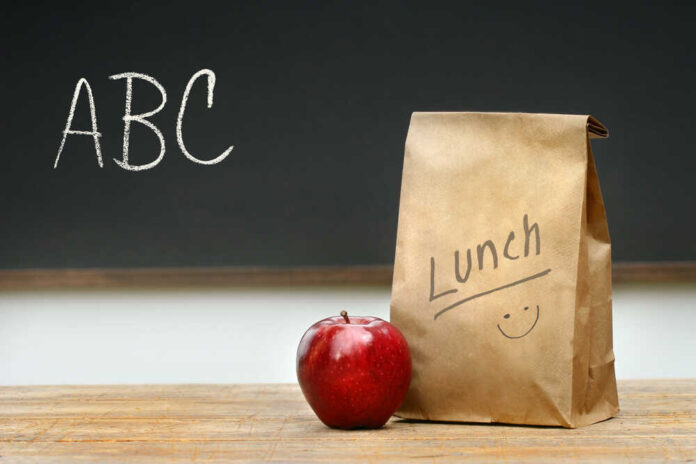
The return to school comes with a myriad of emotions and battles to fight, including how to get your kids to eat healthy lunches. Packing a school lunch can feel like a daily puzzle: you want it to be healthy, your child wants it to be tasty, and you both want it to be quick and stress-free. Toss in the desire to avoid food waste and the pressure of creative Pinterest-worthy ideas, and suddenly lunchtime becomes a battleground. But don’t worry—healthy school lunches don’t need to be complicated, boring, or time-consuming. With a little planning and some clever tricks, you can pack lunches that fuel learning, taste great, and even earn you some lunchbox street cred.
- Think in “Building Blocks”
Instead of reinventing the wheel each morning, break lunches into four simple categories:
- Protein: chicken, turkey, beans, cheese, eggs, Greek yogurt, or tofu.
- Grain/Carb: whole-wheat bread, wraps, brown rice, pasta, or crackers.
- Fruit/Vegetable: apples, berries, carrot sticks, cucumber slices, edamame.
- Fun Extra: popcorn, dark chocolate square, trail mix, or homemade muffin.
When you mentally check off these four boxes, you’re ensuring balance without overthinking it.
- Prep Ahead, Save Sanity
Mornings are chaotic enough without scrambling for sandwich bread. A few hacks:
- Batch cook proteins like grilled chicken, hard-boiled eggs, or turkey meatballs on Sunday.
- Wash and chop produce right after grocery shopping. Store in see-through containers so it’s grab-and-go.
- Assemble snacks in advance (trail mix, veggie bags, fruit cups) so kids can even help pack their own.
Think of it as creating a “lunch buffet” in your fridge.
- Make Fruits and Veggies the Star (Without Complaints)
Getting kids to actually eat their produce is the tricky part. Try these tips:
- Pair with a dip. Apple slices with peanut butter, carrots with hummus, or cucumber with ranch make veggies more exciting.
- Play with shapes. Use cookie cutters to turn melon, cheese, or cucumbers into stars and hearts.
- Sneak in smoothies. Freeze a small smoothie in a thermos—it doubles as a healthy treat and keeps lunch cool.
- Rethink the Sandwich
The humble sandwich doesn’t need to be boring. Rotate fillings and formats:
- Wraps, pita pockets, or quesadillas.
- Turkey, spinach, and cream cheese pinwheels.
- Chickpea salad (like tuna salad, but plant-based).
- Breakfast-for-lunch: whole-grain waffle with nut butter and banana slices.
- Make It Colorful
Kids eat with their eyes first. A rainbow lunchbox not only looks appealing but also ensures nutrient variety. Try:
- Red: strawberries, cherry tomatoes, red bell peppers.
- Orange: carrots, clementines, cheddar cheese cubes.
- Green: edamame, kiwi, cucumber, grapes.
- Purple/Blue: blueberries, purple grapes, blackberries.
It’s like edible art—and more likely to be eaten.
- Add a Fun Surprise
A small element of fun makes kids actually look forward to lunch. It doesn’t have to be unhealthy:
- A tiny dark chocolate square.
- Homemade trail mix with a sprinkle of mini chocolate chips.
- A handwritten note or silly joke.
- Seasonal items (pumpkin muffin in October, heart-shaped strawberries in February).
- Invest in the Right Gear
A great lunchbox makes packing easier and food fresher.
- Bento-style boxes keep foods separated and reduce waste.
- Insulated thermoses open up hot lunch options like soup, pasta, or stir-fry.
- Reusable silicone cups or beeswax wraps make it eco-friendly and organized.
- Get Kids Involved
Children are more likely to eat what they help create. Involve them by:
- Letting them pick from healthy options (“Carrots or cucumber today?”).
- Having them help assemble wraps or fill snack bags.
- Teaching them how to balance the four building blocks over time.
Not only does it ease your workload, but it also builds lifelong healthy habits.
- Don’t Fear Leftovers
Last night’s dinner can be tomorrow’s lunchbox star. Examples:
- Stir-fry becomes a cold rice salad.
- Roast chicken turns into chicken wraps.
- Pasta salad made from extra noodles.
- Veggie soup stored in a thermos.
Think of dinner as two meals: one now, one packed for later.
- Balance Health with Realism
Yes, kale chips and quinoa bowls sound great, but kids also crave familiar foods. Healthy lunches don’t need to be perfect—just consistent. A PB&J on whole-grain bread with apple slices, carrot sticks, and a yogurt counts as a balanced meal. It’s better to pack something simple that gets eaten than something ideal that comes home untouched.
Sample Lunchbox Combos
- DIY Taco Box: Mini tortillas, seasoned chicken, shredded cheese, salsa, and grapes.
- Mediterranean Bento: Pita triangles, hummus, cucumber sticks, olives, and strawberries.
- Breakfast-for-Lunch: Hard-boiled eggs, whole-grain mini pancakes, blueberries, and yogurt.
- Classic with a Twist: Turkey and cheese pinwheels, carrot sticks with ranch, apple slices, and popcorn.
Healthy school lunches don’t have to be complicated, expensive, or Instagram-worthy. The key is balance, variety, and a little fun. With smart prep, colorful ingredients, and kid-friendly touches, you can pack lunches that fuel both body and brain—without losing your own sanity in the process.
As long as you can make healthy and balanced lunches that your kid will actually eat, then you have won the proverbial battle.
Copyright 2025, GoHealthier.com