
Protein, protein, protein…you have to be living under a rock not to know the importance of this macronutrient at this point. Even fast food commercials now try to sell their food based on how much protein it contains. It is, after all, the building block of nearly everything in your body: muscles, skin, hair, enzymes, hormones, and even parts of your immune system. But what happens when you aren’t getting enough of this vital building block? When you don’t get enough, your body starts sending signals that something’s off. Here are the telltale signs that your protein intake might be lagging—and what to do about it.
- You’re Constantly Hungry
Protein is the most satiating macronutrient. Without it, meals digest quickly and leave you prowling for snacks soon after eating. If you’re always peeking into the fridge, even after a full meal, you might need to up your protein.
- Muscle Loss or “Softness”
Your body breaks down muscle tissue to get amino acids when protein intake is low. Over time, you may notice less muscle tone, weakness, or that “skinny fat” look—where body fat increases but muscle decreases.
- Slow Recovery From Workouts
Protein is essential for repairing tiny tears in muscle fibers after exercise. If soreness lingers for days or performance declines, your post-workout shake (or meal) might be lacking.
- Brittle Hair, Weak Nails, and Dry Skin
Keratin (hair/nails) and collagen (skin) are protein-based. Without enough building material, your body prioritizes vital functions over cosmetic ones. Result: dull hair, brittle nails, and skin that looks tired or dry.
- Mood Swings and Brain Fog
Neurotransmitters like serotonin and dopamine are made from amino acids. Too little protein = shaky mood regulation, difficulty concentrating, and that “brain fog” feeling.
- Frequent Illness or Slow Healing
Antibodies and immune cells are made of proteins. If you catch every cold going around or your cuts heal slowly, inadequate protein might be partly to blame.
- Swelling (Edema)
Protein helps regulate fluid balance by keeping water inside cells. Low intake can lead to swelling in hands, feet, or belly—though usually this happens with more extreme deficiency.
- Loss of Strength or Stamina
Even if you’re not trying to bulk up, protein keeps your muscles strong for everyday tasks—like climbing stairs, carrying groceries, or chasing kids. A decline in strength or endurance could signal your intake isn’t matching your activity.
- Changes in Appetite for Protein-Rich Foods
Cravings can sometimes be your body’s way of signaling needs. A sudden hankering for meat, eggs, or beans might reflect low protein status.
- Plateaued or Reversed Weight Goals
Whether you’re aiming for fat loss or muscle gain, adequate protein is non-negotiable. Low protein intake makes it harder to preserve muscle during a calorie deficit, or to build new muscle in a surplus.
How Much Protein Do You Really Need?
- General adults: ~0.8 g per kg body weight (minimum, to avoid deficiency)
- Active adults: 1.2–2.0 g/kg for performance, recovery, and body composition goals
- Older adults (50+): At least 1.0–1.2 g/kg to combat age-related muscle loss
Example: A 70-kg (154 lb) active person might thrive on 90–120 g per day.
Best Sources of Protein
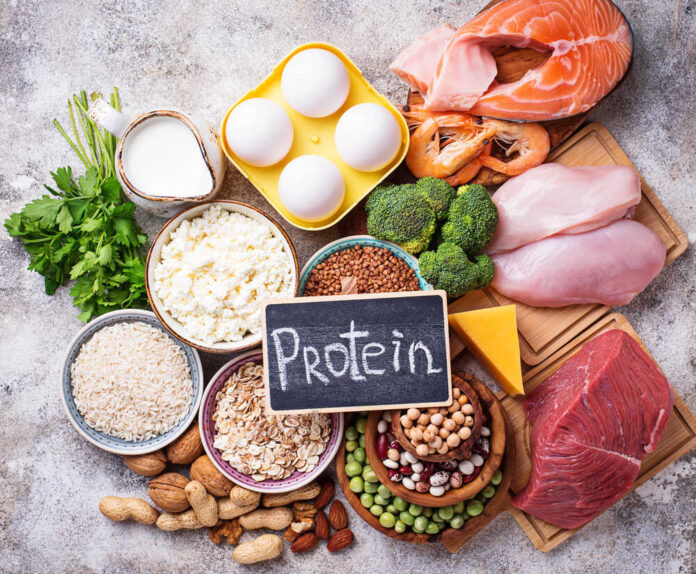
- Animal-based: Eggs, chicken, fish, beef, Greek yogurt, cottage cheese
- Plant-based: Lentils, beans, tofu, tempeh, seitan, edamame, quinoa
- Snacks/supplements: Whey or plant protein powders, jerky, roasted chickpeas
Protein is more than just a gym buzzword—it’s central to how your body functions. If you’re feeling weak, foggy, constantly hungry, or noticing changes in your hair, nails, or recovery, it might be time to check your intake. The fix? Small, consistent upgrades: add an egg to breakfast, Greek yogurt to snacks, or beans to dinner. Over time, your body (and energy) will thank you.
Copyright 2025, GoHealthier.com