

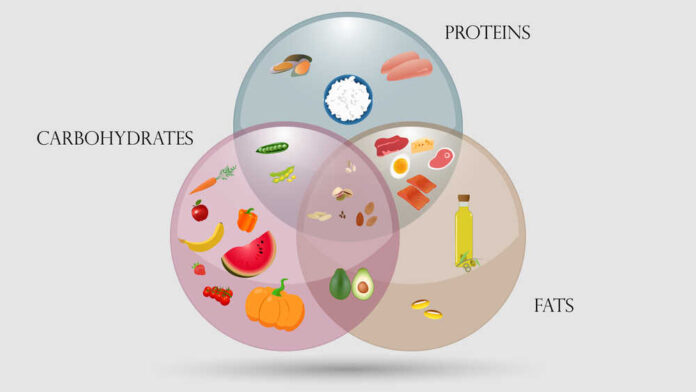
A macro, a micro, a meso…it can be tough to keep up with all the health and fitness lingo, or to know which, if any, of the things you need to focus on. Today we will look at macros, short for macronutrients. Macro counting can be a game-changing tool, but it’s not for everyone, and it’s not for every season of your fitness journey. Let’s break it down.
What Exactly Are Macros?
“Macros” is short for macronutrients, the three main types of nutrients that provide calories:
- Protein: 4 calories per gram. Builds and repairs muscle, helps you stay full.
- Carbohydrates: 4 calories per gram. Your body’s preferred energy source, fuels performance.
- Fat: 9 calories per gram. Essential for hormones, nutrient absorption, and joint health.
When you “count macros,” you’re not just tracking calories—you’re tracking the balance of protein, carbs, and fat that make up those calories.
Why Count Macros Instead of Just Calories?
Calories tell you how much energy you’re eating. Macros tell you where that energy is coming from. For example:
- 2,000 calories of donuts = high carbs and fat, almost no protein.
- 2,000 calories of chicken, rice, and avocado = balanced intake with enough protein to support muscle.
Both meals have the same calorie count, but the second one will help your body look, feel, and perform much better.
When It Makes Sense to Count Macros
- When You Have a Specific Physique Goal
If you’re trying to lose fat while keeping muscle, or bulk up without gaining too much fat, macro tracking helps you fine-tune your intake, so you hit the sweet spot.
- When You’re Serious About Performance
Athletes, lifters, and endurance athletes often count macros to ensure they have enough carbs for fuel, protein for recovery, and fat for hormonal balance.
- When You’re Stuck in a Plateau
If your weight loss or muscle gain has stalled, tracking macros can highlight where things are slipping (too little protein, too much fat, or simply more calories than you realized).
When You Don’t Need to Count Macros
- Beginners: If you’re just starting to exercise and clean up your diet, tracking every gram is overwhelming. Focus on habits first (protein at each meal, veggies daily, fewer processed foods).
- High-stress periods: If you’re already overloaded with work or family obligations, the mental bandwidth for weighing and logging everything might not be worth it.
- Maintenance mode: If you’re happy with your body composition and performance, you can eat intuitively while loosely keeping protein and portion sizes in mind.
How to Start Counting Macros
- Set Your Calorie Target: Use a calculator based on your goals (fat loss, maintenance, or muscle gain).
- Pick Your Macro Split:
- Fat loss: ~40% protein, 30% carbs, 30% fat
- Maintenance: ~30% protein, 40% carbs, 30% fat
- Muscle gain: ~25% protein, 50% carbs, 25% fat
(These are starting points—you can adjust based on how you feel and progress.)
- Track Your Food: Use apps like MyFitnessPal or Cronometer. Weighing and measuring at first improves accuracy.
- Review and Adjust: Check how you’re performing, feeling, and recovering. If something’s off, tweak macros rather than overhauling everything.
Counting macros is like putting your nutrition under a microscope. It’s a powerful tool for people with specific goals—whether that’s dropping body fat, building muscle, or fueling performance. But it’s not always necessary, and it shouldn’t feel like a life sentence. Think of it as a skill: learn it, use it when needed, and then decide how much precision you want in your daily routine. Once you master the skill of counting macros, you may be able to eyeball foods and come pretty close to guessing their macros, which can take the tedious step of actually calculating them out. However, the more precise you are with your macros, the quicker you will likely achieve your goals.
Copyright 2025, GoHealthier.com