

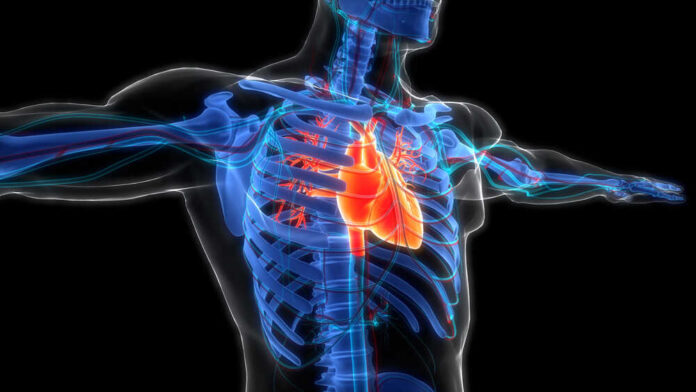
We all know that mobility is important as we age, but did you know that people with stiffer trunks (poorer “sit-and-reach” flexibility) tend to have stiffer arteries, especially from midlife onward? Stretching, yoga, and mobility work can meaningfully improve vascular markers like arterial stiffness and even blood pressure. But think of flexibility as a useful biomarker and training lever, not magic.
First, what are we talking about?
- Arterial stiffness is how “springy” your large arteries are (often assessed by carotid-femoral pulse wave velocity—cfPWV—or indices like baPWV/CAVI). Stiffer arteries = higher cardiovascular risk.
- Spinal/trunk flexibility is usually measured with simple tests like sit-and-reach. It’s not perfect, but it’s a decent proxy for how supple your posterior chain and trunk are.
A landmark study of 526 adults found that poorer trunk flexibility was associated with stiffer arteries in middle-aged and older adults (40–83), but not in younger adults (20–39). Later work suggested that poor flexibility may predict faster age-related aortic stiffening—i.e., it’s not just a same-day correlation.
A recent 2024 meta-analysis pooled data across age groups and again found significant associations between trunk flexibility and arterial stiffness, with stronger links in men and older adults.
Why might flexibility and arteries track together?
Think of your body’s “plumbing + scaffolding” aging as a coordinated process:
- Connective-tissue remodeling: With age, collagen cross-links accumulate in tendons, fascia—and arterial walls. A stiffer posterior chain may be a visible sign of deeper systemic stiffening. (Associational, but plausible.)
- Autonomic balance & endothelial function: Flexibility practices (stretching, yoga) can nudge the nervous system parasympathetic, improve endothelial function, and enhance nitric-oxide signaling— the mechanisms tied to lower arterial stiffness. RCTs of yoga in older adults have shown reductions in arterial stiffness and blood pressure versus brisk walking.
- Shear stress from gentle movement: Even low-intensity stretching raises local blood flow, which can acutely reduce arterial stiffness; with repetition, some studies show sustained benefits.
Does improving flexibility actually help arteries?
Encouraging signs:
- 4 weeks of regular static stretching reduced arterial stiffness indices (baPWV, CAVI) in adults, alongside big gains in sit-and-reach. (Changes didn’t correlate one-to-one, which reminds us the relationship is complex.)
- Daily stretching lowered blood pressure more than brisk walking in people with elevated BP in a University of Saskatchewan trial (and replication-style write-ups).
- Yoga programs repeatedly show improvements in arterial stiffness and BP in diverse groups, from healthy adults to hypertensive elders.
- Newer studies suggest static stretching can acutely counter stress-induced arterial stiffening and that stretching-driven stiffness reductions may even support aerobic capacity. Early but intriguing.
Bottom line: The spine–artery link isn’t just a coincidence on paper; mobility practices appear to move vascular markers in the right direction.
A quick at-home “flexibility + vascular” check
- Sit-and-reach (warm up first). Track distance weekly.
- Morning BP (home cuff, seated 5 minutes, two readings). Aim for a calm, consistent routine.
- Optional (if clinic offers): periodic pulse wave velocity screening.
If your sit-and-reach is stubbornly poor and your BP creeps up with age, that combo is a nudge to take mobility and cardiovascular basics seriously. (Correlation ≠ destiny; it’s an invitation.)
A 6-Week “Supple Spine, Supple Arteries” Plan
Schedule: 5–6 days/week, ~8–15 minutes. Keep it comfortable, no aggressive forcing.
Daily mobility circuit (focus on trunk + hips):
- Supine hamstring strap stretch – 2×30–45s/side
- Half-kneeling hip-flexor stretch (glute on) – 2×30–45s/side
- Seated or standing calf stretch – 2×30s/side
- Thoracic rotation (open-book) – 6–8 slow reps/side
- Cat–cow – 6–10 slow reps
- Doorway pec stretch – 2×30s/side
Twice per week add (yoga-style flow, 10–12 min):
- Sun salutations (gentle pace) + low lunge with side-bend + sphinx/cobra for spinal extension.
- Breathe nasally, exhale longer than inhale to encourage parasympathetic tone.
Cardio & strength (the “non-negotiables”):
- 150+ min/week moderate aerobic work (or 75 min vigorous) + 2 strength sessions focused on lower body and core (squats/split squats, hinges, calf raises, planks). These synergize with flexibility for vascular health. (Yoga can be one cardio/strength adjunct but shouldn’t replace all cardio.)
Blood-pressure bonus (optional):
- On 2–3 days/week, add 2–3 sets of isometric holds (e.g., 30–45s wall-sit, 60s plank). Isometrics are increasingly recognized for BP benefits; pair them with your stretch block.
Safety notes
- Ease in if you have osteoporosis, cervical/lumbar radiculopathy, recent vascular surgery, or uncontrolled hypertension—get personalized advice.
- Stretches should feel like gentle tension, not pain or pins-and-needles.
- If BP is elevated, prioritize medication adherence, sleep, nutrition, and aerobic work; flexibility is an adjunct, not a standalone treatment.
What this does not mean
- Being bendy doesn’t automatically give you “young” arteries. It’s a useful clue and training target, not a diagnosis. Genetics, diet, sleep, meds, and cardio all matter.
- You can’t out-stretch chronic sleep debt or high sodium intake. Use flexibility alongside the pillars.
From midlife onward, stiffer trunks often ride with stiffer arteries, and improving flexibility through stretching and yoga can nudge vascular health in the right direction—including arterial stiffness and blood pressure. Combine daily mobility with aerobic exercise and strength training for the biggest payoff.
Copyright 2025, GoHealthier.com