

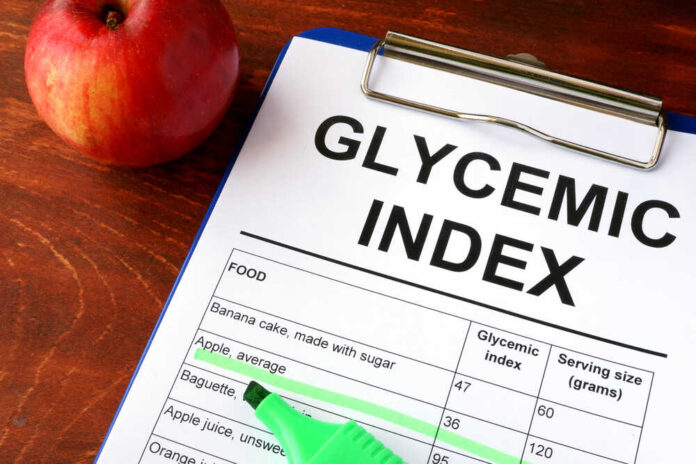
In the early 2000s the glycemic index became popular in diet culture particularly with the South Beach Diet and Weight Watchers, but as research has proven, even foods high on the glycemic index (GI) can interact in our bodies differently when mixed with other foods and people’s personal biology. In short, it is no longer the main character of metabolic health. The glycemic index (GI) is a decent supporting tool for thinking about carbs, yet it struggles in the real world of mixed meals, individual biology, and different cooking methods. If you care about blood sugar, performance, or general health, the modern play is: use GI sparingly, lean on glycemic load (GL) and meal composition, and personalize it when possible.
GI in one bite
GI ranks carb-rich foods by how much they raise blood glucose when eaten alone in a standardized amount (50 g available carbs). That’s useful for lab comparisons, but most of us don’t eat plain white bread on an empty stomach for science. GL fixes one flaw by factoring in how much carbohydrate you actually eat. Even mainstream guidance now treats GI/GL as optional helpers rather than diet law.
Why GI fell from the spotlight
1) People are not petri dishes
Two people can eat the same food and have very different glucose curves, influenced by microbiome, sleep, activity, and more. Landmark studies (Zeevi et al.; PREDICT) showed large person-to-person variability, and that algorithms using personal data beat one-size-fits-all GI tables. Translation: your response matters more than the average.
2) Meals are mashups
Fat, protein, fiber, acidity, and even the order you eat foods can blunt or boost glycemia. Cooking, cooling, ripeness, and processing also shift a food’s effective GI. Reviews keep repeating it: GI is context-sensitive and often misleading outside controlled tests.
3) What you swap matters most
When you replace saturated-fat calories or refined starches with unsaturated fats, fiber, and minimally processed carbs, cardiometabolic risk falls, regardless of the individual food’s GI. That’s why organizations emphasize overall patterns over chasing GI numbers.
Where GI/GL still help when used wisely
- Menu nudges: Choosing steel-cut oats over instant, beans over white rice, or al dente pasta can modestly flatten spikes, especially helpful for people with prediabetes/diabetes. GL is more practical than GI because it honors portion size.
- Sports fueling & energy dips: On rest days or long desk stints, lower-GL choices may keep energy steadier; before high-intensity sessions you may want faster carbs. Context > doctrine.
- Culinary tricks that actually work: Add fiber/protein, a splash of vinegar or lemon, cook-cool-reheat starches (more resistant starch), and eat veggies/protein before starch, these lower the meal’s glycemic impact without number-crunching.
What major guidelines say now
The American Diabetes Association recognizes GI/GL but stops short of making them the centerpiece. Low-GI swaps can offer modest improvements, yet the overarching advice is to personalize eating patterns (Mediterranean, DASH, lower-carb, vegetarian, etc.) and focus on fiber, whole foods, and overall quality. In other words: GI/GL are optional tools, not mandates.
A simple, modern playbook
1) Think “meal” not “food.”
At most meals, include protein + fiber + color (veg/fruit) + smart carbs. This automatically lowers the meal’s glycemic punch.
2) Use GL as your quick filter.
Big portions of refined carbs = high GL (spikier). Smaller portions of minimally processed carbs = lower GL (steadier).
3) Cook like a glycemic ninja.
- Go al dente with pasta; choose intact grains (barley, farro) more often.
- Add beans/lentils or veg to starches (think rice + beans, potato + Greek yogurt + broccoli).
- A little olive oil, nuts, or egg can curb a spike, and helps you stay full.
4) Personalize if you can.
If you use a CGM or occasional finger-sticks, test your usual breakfasts/lunches and keep the ones that give you good numbers and good energy. The PREDICT and Zeevi work suggest your data beats the table.
5) Zoom out to patterns.
Mediterranean style plates, fiber 25–40 g/day, protein at each meal, and mostly minimally processed foods will outperform perfectionist GI micromanagement for most people.
The glycemic index isn’t obsolete, but it is often overrated and misunderstood. It is best used as a flexible lens, particularly via glycemic load, inside a bigger strategy centered on meal composition, food quality, and personalization. If the GI chart says one thing but your meter, and your energy, say another, trust your data.
Copyright 2025, GoHealthier.com