

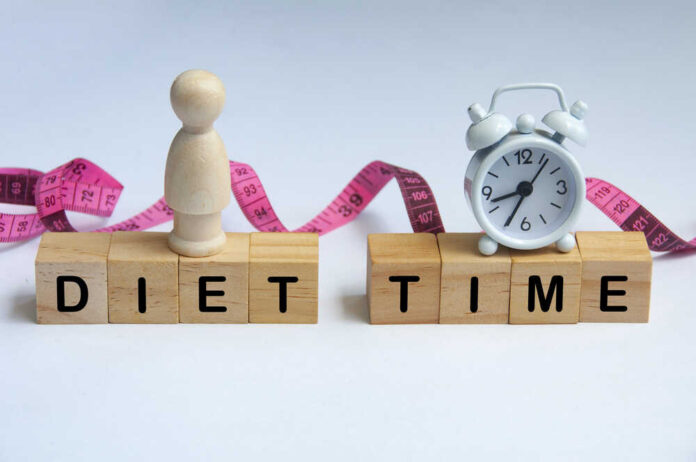
Reverse dieting basically just sounds like eating a lot, which seems fun, but counterintuitive to staying lean. But this strategic approach isn’t about bingeing—it’s about slowly reintroducing calories to repair your metabolism, restore hormonal balance, and set the stage for sustainable long-term health.
Whether you’ve just finished a diet, are struggling with low energy and stubborn weight gain, or feel stuck in a metabolic rut, reverse dieting may be the missing link between short-term progress and lasting wellness.
What Is Reverse Dieting?
Reverse dieting is the gradual, structured increase of daily caloric intake after a period of calorie restriction or dieting. It’s often used by bodybuilders and fitness competitors after shows, but in recent years it’s become popular with people looking to restore their metabolic function and avoid the rebound weight gain that often follows a diet.
Instead of jumping back to your maintenance or pre-diet calorie levels, reverse dieting increases calories slowly—usually by 50–150 calories per week—while monitoring weight and body composition.
Why Is Reverse Dieting Important?
- Prevents Post-Diet Weight Regain:
After a calorie deficit, your body is primed to store fat quickly once food increases—a survival response called “post-starvation hyperphagia.” Reverse dieting helps ease your metabolism back up without overwhelming it. - Restores Metabolic Rate:
Chronic dieting can lower your basal metabolic rate (BMR). Reverse dieting gives your body a chance to re-adapt and burn more calories at rest without fat gain. - Balances Hormones:
Prolonged low-calorie intake can reduce leptin (satiety hormone), thyroid function, and sex hormones like testosterone and estrogen. Reverse dieting helps recalibrate these systems gradually. - Rebuilds Energy and Performance:
As calories increase, so do energy levels, strength, mood, and workout recovery—making it ideal for athletes or anyone suffering from diet fatigue.
Signs You May Benefit From a Reverse Diet
- You’ve been in a calorie deficit for 12+ weeks
- You’re stuck at a plateau despite very low calories
- You’re experiencing fatigue, poor sleep, hair loss, or mood swings
- You’ve regained fat quickly after finishing a diet
- You want to increase food intake without gaining fat
How to Start a Reverse Diet
Step 1: Calculate Your Current Intake
Know exactly how many calories you’ve been eating consistently during your diet. Use a tracking app to verify.
Step 2: Determine Your Baseline Macros
Start by adding 5–10% more calories (primarily from carbs and fats) each week. Protein intake should remain consistent to support muscle retention.
Step 3: Monitor Metrics Weekly
Track your weight, energy, hunger, strength, and mood. Small increases of 50–150 calories per week are typical.
Step 4: Watch for Biofeedback Clues
Improved sleep, warmth, libido, and strength are positive signs that your metabolism is responding well. A slight increase in weight is normal.
Step 5: Stop When You Reach Maintenance
When your weight stabilizes and you’ve returned to a sustainable intake level (your Total Daily Energy Expenditure or TDEE), you can maintain, build muscle, or enter another fat loss phase from a healthier baseline.
Common Misconceptions About Reverse Dieting
“I’ll gain weight if I eat more.”
Not necessarily. When done slowly and strategically, reverse dieting can increase food intake with minimal (and sometimes zero) fat gain.
“It’s only for bodybuilders.”
False. Anyone recovering from chronic dieting, low energy, or metabolic slowdown can benefit—especially women prone to under-eating.
“It’s just eating more.”
No—randomly increasing food can lead to rebound fat gain. Reverse dieting is a controlled, data-driven approach.
Who Should Not Reverse Diet
- Those with eating disorders (should seek professional guidance first)
- Individuals not yet consistent with tracking or meal planning
- Anyone looking for fast results (this is a slow-burn strategy)
Reverse dieting isn’t sexy, fast, or flashy—but it’s one of the smartest ways to rebuild a healthy metabolism, escape the yo-yo diet cycle, and teach your body to thrive on more—not less. Whether you’re a fitness enthusiast or someone looking to break free from chronic dieting patterns, this strategy empowers you to nourish your body, restore hormonal harmony, and lay the foundation for long-term health.
In a culture obsessed with restriction, reverse dieting is a quiet act of metabolic rebellion—and a powerful step toward food freedom. Remember that food is just fuel, not a prison sentence.
Copyright 2025, GoHealthier.com