

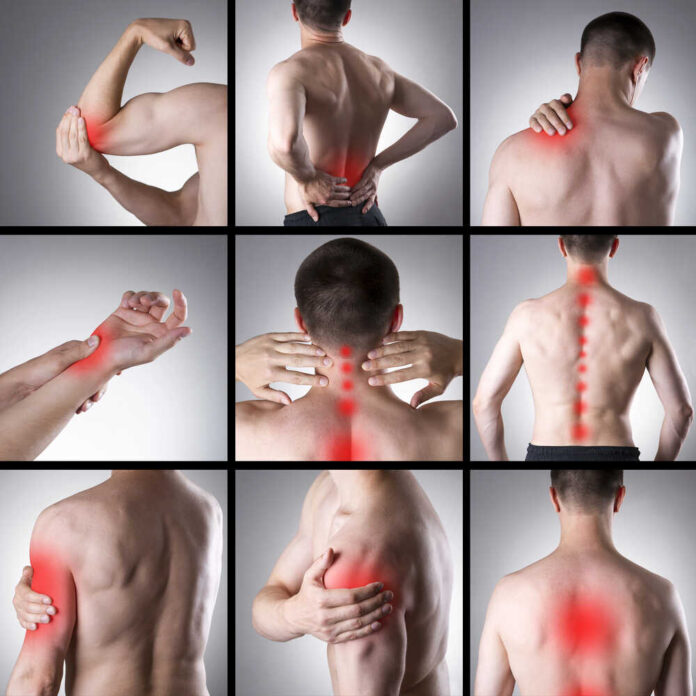
Joint pain can feel like the ultimate excuse not to work out. Whether it’s achy knees, sore shoulders, or stiff hips, the idea of exercising when your joints already hurt may sound like adding fuel to the fire. But as counterintuitive as it may seem, the right kind of movement can actually help reduce pain, improve function, and keep you doing the activities you love. The key is learning how to train smarter, not harder.
Why Exercise Helps Joints
When you exercise:
- Lubrication improves: Movement stimulates the production of synovial fluid, which acts like oil for your joints.
- Muscles get stronger: Strong muscles support and stabilize joints, reducing stress on them.
- Inflammation goes down: Regular low- to moderate-intensity exercise helps regulate inflammation in the body.
- Mobility stays intact: Without movement, joints stiffen, creating a cycle of pain and immobility.
So, while rest has its place during flare-ups, long-term inactivity is a joint’s worst enemy.
Smart Training Principles for Joint Pain
- Embrace Low-Impact Cardio
Forget pounding the pavement—your joints will thank you. Instead, try:
- Walking on flat surfaces
- Swimming or water aerobics (buoyancy takes stress off your joints)
- Cycling (outdoors or on a stationary bike)
- Elliptical training
These activities get your heart pumping without adding excessive impact.
- Prioritize Strength Training
Strength training is like giving your joints bodyguards. When the surrounding muscles are strong, your joints don’t have to absorb as much force. Great joint-friendly strength moves include:
- Bodyweight squats (to a chair if needed)
- Glute bridges
- Resistance band rows
- Modified push-ups against a wall
- Deadlifts with light weights and perfect form
Focus on high repetitions with lighter loads rather than maxing out with heavy weights.
- Work on Flexibility and Mobility
Tight muscles tug on joints and make them work harder. Incorporating stretching, yoga, or mobility drills helps joints move through their full range of motion. Pay special attention to:
- Hip flexors and hamstrings (help with knee and back pain)
- Calves and ankles (support healthy gait)
- Chest and shoulders (reduce stress on the upper back and neck)
Gentle mobility routines—such as cat-cow stretches or leg swings—can also be built into your warm-up.
- Respect Pain Signals
The golden rule: mild discomfort is acceptable, sharp pain is not. If a movement causes stabbing or worsening pain, stop or modify it. Learning to distinguish between the soreness of working muscles and actual joint pain is essential.
- Use the “Prehab” Approach
Preventative strategies matter:
- Warm up with dynamic movements before exercise.
- Cool down with gentle stretching afterward.
- Apply ice or heat depending on whether inflammation or stiffness is the main issue.
- Rotate between different types of exercise so no joint gets overworked.
Tools and Techniques That Can Help
- Resistance bands: They allow smooth movement without the jerky loads of some weights.
- Supportive shoes: Proper footwear absorbs shock and improves alignment.
- Braces or sleeves: These can provide temporary support for unstable joints.
- Foam rolling: Helps ease muscle tension that indirectly stresses joints.
When to Seek Professional Guidance
While most people with joint pain can and should exercise, it’s wise to consult a doctor or physical therapist if you:
- Have persistent swelling, redness, or warmth around a joint.
- Notice that exercise makes your pain significantly worse.
- Experience sudden loss of joint stability or strength.
These could signal underlying conditions like arthritis, tendon tears, or cartilage damage that need targeted treatment.
Joint pain doesn’t have to sideline you. In fact, consistent, low-impact, strength-building exercise is one of the best long-term strategies for healthier, happier joints. Think of training as medicine rather than punishment—each walk, stretch, and strength session is a step toward stronger support structures, less pain, and better quality of life.
So lace up your shoes, grab a resistance band, or head to the pool. Your joints may grumble at first, but over time, they’ll thank you.
Copyright 2025, GoHealthier.com