
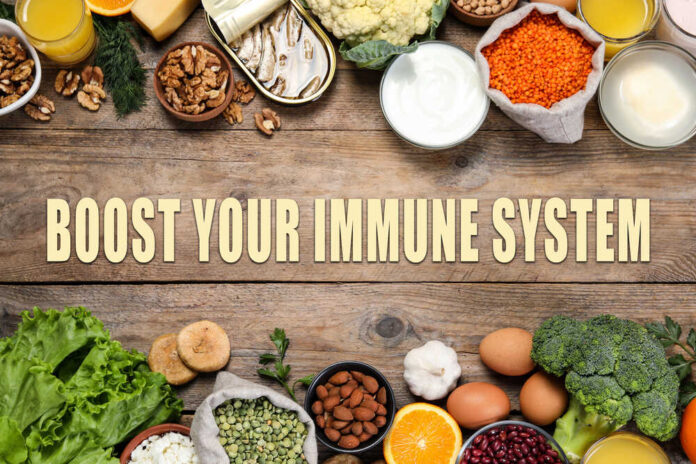
The idea of jump-starting your immune system has been around a long time, and it’s a seductive concept because who wouldn’t want more control of when they do and don’t get sick? But is this notion realistic? The truth is that your immune system isn’t a stereo with a “boost” button. It’s more like a symphony that plays best when you give it the right instruments—sleep, stress management, movement—and a steady supply of smart nutrients. Here’s a fun, practical, and evidence-based guide to the top foods and supplements that support immune function, without the hype.
Ground Rules
- Food first, supplements second.
- Consistency beats megadoses.
- Aim for “support” not “supercharging”—you want resilience, not rollercoasters.
- If you’re pregnant, immunocompromised, on anticoagulants, or have chronic illness, check with your clinician before starting supplements.
Top Immune-Supportive Foods
1) Fermented Foods & Probiotics in Food
Why: They feed and seed a diverse microbiome, which “trains” immune cells and helps keep inflammation in check.
Stars: Yogurt with live cultures, kefir, sauerkraut, kimchi, miso, tempeh, kombucha.
How much: 1–2 servings/day.
Pro tip: Rotate sources; pair with fiber (see below).
2) High-Fiber, Prebiotic-Rich Plants
Why: Fiber becomes short-chain fatty acids (SCFAs) that modulate immunity.
Stars: Beans/lentils, oats, barley, onions, garlic, leeks, asparagus, bananas (slightly green), Jerusalem artichokes.
How much: 25–40 g fiber/day.
Pro tip: Go slow and hydrate to avoid… fireworks.
3) Color Spectrum Produce (Antioxidants & Polyphenols)
Why: Vitamins A/C/E, flavonoids, and carotenoids protect immune cells from oxidative stress.
Stars: Berries, citrus, kiwi, pomegranates, leafy greens, tomatoes, carrots, sweet potatoes, red/orange peppers.
How much: 5+ cups/day across colors.
Pro tip: Squeeze lemon or add vinegar—acidity can modestly blunt post-meal glucose and brightens flavor.
4) Mushrooms (β-glucans)
Why: Beta-glucans help “prime” innate immunity.
Stars: Shiitake, maitake, oyster, enoki, portobello (and culinary lion’s mane).
How much: 3–5 servings/week (fresh or dried).
Pro tip: Sauté with garlic and thyme; add to soups or omelets.
5) Alliums & Spices (Garlic, Ginger, Turmeric)
Why: Allicin (garlic) and gingerols/curcuminoids have antimicrobial and anti-inflammatory activity.
How much: Garlic most days; fresh ginger knobs and ½–1 tsp turmeric with a pinch of black pepper.
Pro tip: Add turmeric to eggs or lentils; finish with pepper to boost curcumin absorption.
6) Zinc-, Selenium-, and Iron-Smart Proteins
Why: These minerals are crucial for antibody production and immune cell function.
Stars: Oysters (zinc king), beef, chicken thighs, eggs, sardines, salmon; Brazil nuts (selenium), beans/lentils, tahini.
How much: Protein target ~0.7–1.0 g/lb (1.6–2.2 g/kg) bodyweight; include seafood or legumes 3–5x/week.
Pro tip: 1–2 Brazil nuts most days covers selenium without overdoing it.
7) Omega-3s
Why: EPA/DHA help resolve excess inflammation.
Stars: Salmon, sardines, mackerel, trout, anchovies; or fortified eggs.
How much: Fatty fish 2–3x/week.
Pro tip: If using cans, look for “wild-caught” and pack in olive water or spring water.
8) Tea & Cocoa (Polyphenols)
Why: Catechins (green/oolong tea) and flavanols (cocoa) support antioxidant defenses.
How much: 1–3 cups tea/day; 1–2 tsp natural cocoa in yogurt/oats.
Pro tip: Unsweetened or lightly sweetened; add cinnamon.
Supplement Shortlist
Doses are general adult ranges. Don’t combine similar products unknowingly; check totals on labels.
Vitamin D3 — Strong support
- Why: Low D is associated with higher infection risk; supports innate defenses.
- Dose: 1,000–2,000 IU/day for general maintenance; test blood levels to personalize.
- Notes: Fat-soluble; take with food. Interacts with some meds—ask your clinician if you have kidney, parathyroid, or granulomatous disease.
Vitamin C — Strong for deficiency, supportive otherwise
- Why: Antioxidant, supports barrier integrity and leukocyte function.
- Dose: 200–500 mg/day; during acute illness some use split doses up to ~1,000 mg/day.
- Notes: Very high doses can upset GI and increase oxalate risk in predisposed people.
Zinc — Strong but timing-dependent
- Why: Essential for immune signaling and antiviral defenses.
- Dose: 8–15 mg/day for maintenance from diet/supps; for early cold onset some use 9–24 mg elemental zinc/day in divided doses for a few days (do not exceed 40 mg/day long-term).
- Notes: Long-term high doses can cause copper deficiency and nausea. Avoid intranasal forms.
Probiotics — Promising (strain-specific)
- Why: Some strains reduce respiratory infection duration/incidence modestly.
- Dose: Follow label (often 1–10+ billion CFU/day).
- Notes: Look for strains with data (e.g., Lactobacillus rhamnosus GG, Bifidobacterium animalis subsp. lactis BB-12). Food sources are an easy first step.
Elderberry (Sambucus) — Promising for symptom duration
- Why: May reduce upper-respiratory symptom days if started early.
- Dose: As per extract label during the first 24–48 hours of symptoms.
- Notes: Not for pregnancy without medical advice; choose reputable brands.
Beta-Glucans (from yeast or mushrooms) — Promising
- Why: May enhance innate immune readiness and reduce sick days in some trials.
- Dose: ~250–500 mg/day depending on extract.
- Notes: Culinary mushrooms are a tasty whole-food route.
NAC (N-Acetylcysteine) — Promising for mucus/respiratory support
- Why: Precursor to glutathione; thins mucus.
- Dose: 600–1,200 mg/day (short-term).
- Notes: Can interact with nitroglycerin; check meds.
Quercetin — Mixed/adjunctive
- Why: Flavonoid with antioxidant/anti-inflammatory properties; evidence is emerging.
- Dose: 250–1,000 mg/day with food.
- Notes: Can interact with certain antibiotics/meds—check first.
Echinacea — Mixed
- Why: Some prep-specific effects on cold duration/incidence; results vary by species and extract.
- Use: If you like it and it agrees with you, reserve for early symptoms; don’t rely on it year-round.
“Sick-Day” Playbook
- Hydration stack: Water, broths, hot tea with lemon/ginger.
- Protein + plants: Easy soups (chicken or lentil with carrots, celery, onion), scrambled eggs with spinach, Greek-yogurt bowls with berries.
- Micronutrient hits: Kiwi, citrus, berries, sweet potatoes, mushrooms.
- Supps: Vitamin D (if you already take it), Vitamin C 200–500 mg 2×/day, Zinc up to short-term range, optional elderberry or NAC.
- Sleep & steps: Prioritize naps; light walking if fever-free.
A One-Week “Immune-Smart” Menu
Breakfasts (rotate):
- Kefir smoothie (kefir, frozen berries, 1 tbsp oats, ginger, squeeze of lemon).
- Veggie omelet + side of sauerkraut; green tea.
- Greek yogurt + kiwi + pumpkin seeds + cocoa dusting.
Lunches:
- Lentil-mushroom soup with turmeric/pepper; citrus salad.
- Salmon salad (canned) with capers, dill, lemon; whole-grain crackers; sliced peppers.
- Chickpea bowl with roasted veggies, tahini-garlic sauce.
Dinners:
- Miso-ginger cod, sesame sautéed greens, brown rice.
- Turkey chili (beans, tomatoes, onions, garlic), avocado garnish.
- Tofu stir-fry with shiitake, broccoli, bell pepper; finish with rice vinegar.
Snacks:
- Brazil nuts (1–2), citrus, tea; or apple + tahini; or kimchi + avocado on rice cakes.
Shopping List (short and mighty)
- Ferments: Yogurt/kefir, sauerkraut/kimchi, miso.
- Produce: Berries, citrus, kiwi, leafy greens, carrots, sweet potatoes, onions, garlic, ginger, mushrooms, peppers, broccoli.
- Proteins: Eggs, sardines/salmon (canned or fresh), chicken thighs, tofu/tempeh, beans/lentils.
- Pantry: Oats, barley, olive oil, turmeric, pepper, vinegar, tea, cocoa, tahini.
- Supps (as needed): Vitamin D3, Vitamin C, Zinc, a strain-specific probiotic; optional elderberry, beta-glucans, NAC, quercetin.
Quick “Do/Don’t” Recap
Do
- Eat plants across the color wheel and 1–2 fermented foods daily.
- Get protein at each meal and fish 2–3×/week.
- Consider D, C, zinc, and a targeted probiotic—especially in winter.
Don’t
- Megadose zinc or vitamin C for weeks on end.
- Assume any one herb is a forcefield.
- Forget the basics: sleep 7–9 hours, manage stress, move your body, get daylight.
You don’t need exotic cures. Build a daily rhythm of fermented foods, fiber-rich plants, colorful produce, mushrooms, smart proteins, and omega-3s, then layer vitamin D, vitamin C, zinc, and strain-specific probiotics as your supplement foundation. Keep a small “sick-day” kit ready and remember: consistency is the real superpower.
Copyright 2025, GoHealthier.com