
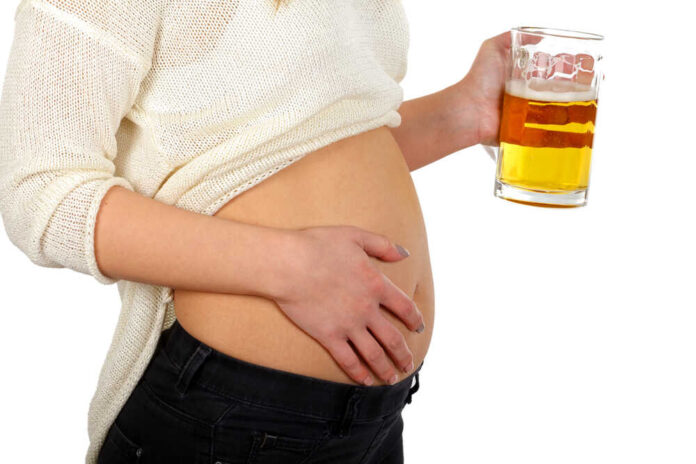
If you think of many of your favorite fitness influencers, many of them are loud and proud about not consuming any alcohol, but can alcohol actually ruin your fitness? Short answer: it can, but how much depends on dose, timing, and frequency. A couple of drinks now and then won’t erase your gains. Regular heavy drinking and big binges absolutely will.
Think of alcohol as a “fitness tax”: the more you drink, and the closer to training or sleep you do it, the higher the tax.
- Muscle & Strength: Gains vs. Drinks
How alcohol messes with muscle
- Protein synthesis drops: After a hard lift, your body wants to repair and build muscle. Big doses of alcohol (6–8+ drinks in an evening) can blunt that “building” response.
- Hormones: Heavy drinking can:
- Lower testosterone (especially in men)
- Raise cortisol (stress hormone)
- Increase inflammation
- Recovery: Alcohol is dehydrating, disrupts sleep, and can worsen soreness the next day.
Do you lose all progress from one night out?
No. But if your pattern is:
Lift hard → crush 6+ drinks → repeat weekly, you’re absolutely slowing muscle growth and strength gains.
“Safer” drinking pattern for lifters
- Try to separate your heaviest training days from your biggest social nights.
- Post-workout, if you drink: 1–2 drinks max, plus:
- Big protein-rich meal
- Plenty of water
- Decent sleep
- Fat Loss: Calories You Forget You Ate
Alcohol itself has 7 calories per gram, which is almost as energy-dense as fat at 9 calories per gram. The sneaky part:
- Drinks add up fast:
- 5 oz wine = 120 kcal
- 12 oz beer = 140–200 kcal
- Cocktail with juice/syrup/cream = dessert in a glass
- Snack attacks: Alcohol lowers inhibitions and increases appetite, especially for high-fat, high-salt foods (pizza, fries, late-night everything).
- Fat burning slows: Your body prioritizes clearing alcohol first → fat burning temporarily takes a back seat.
You can still lose fat while drinking, but you must:
- Budget the calories
- Expect a little more hunger and a little less willpower those nights
If your fat loss has plateaued and you “only drink on weekends,” check:
Is it 2 glasses… or 8 drinks + nachos + 2 a.m. tacos?
- Performance: Cardio & Strength
Strength / power
- A couple of drinks won’t ruin you the next day if you slept well and hydrated.
- Heavy drinking:
- Worsens coordination
- Increases perceived effort
- Drops power output and bar speed
Don’t be surprised if squats feel 20% heavier after a night of six IPAs.
Endurance
- Alcohol is dehydrating, which kills pace and increases heart rate.
- It can:
- Mess with glycogen replenishment
- Disrupt thermoregulation (your ability to handle heat/cold)
- Never combine serious training/racing with a hangover and expect a PR.
- Sleep: The Silent Fitness Killer
Alcohol feels like it helps you “knock out,” but it wrecks sleep quality:
- Less deep sleep
- More nighttime awakenings
- Fragmented REM sleep
Poor sleep = worse:
- Recovery
- Appetite control
- Hormone balance
- Mood and motivation
If you regularly drink close to bedtime, your training will feel much harder, even if your program didn’t change.
- So… Is Any Alcohol Okay for Active People?
For generally healthy adults, light to moderate drinking (by most guidelines):
- Women: up to 1 drink/day
- Men: up to 2 drinks/day
…can be compatible with good fitness, especially if:
- You’re not pregnant or trying to conceive
- You’re not on medications that interact with alcohol
- You don’t have a history of addiction or liver/other relevant conditions
But strictly from a performance and body-composition standpoint:
Less is better, and none is best.
That doesn’t mean you must be 100% sober to be fit—just that every drink is a small performance trade-off.
- Practical Guidelines So Alcohol Doesn’t Own Your Results
1) Protect your priorities
- If you have a big training block, game, meet, or race:
- Cut back or skip alcohol the week before.
- Plan nights out after lighter training days, not your heaviest sessions.
2) Hydration & food rules
- Before drinking: eat a solid meal with protein + carbs + some fat.
- During: for every alcoholic drink, have at least one glass of water.
- After: hit protein again if it’s near training (or bed) and hydrate.
3) Set a drink cap
- Decide before you go out:
- E.g., “Max 2 drinks tonight.”
- Choose lower-calorie options:
- Dry wine, light beer, spirits with diet soda/soda water, no sugary mixers.
4) Avoid “double whammy” nights
- Try not to stack:
- Long hard training session
- High alcohol
- Super late bedtime
That combo is a recovery disaster.
5) Watch patterns, not one-off nights
Ask every few weeks:
- Is alcohol:
- Costing me sleep?
- Leading to junk food binges?
- Making me skip or half-ass workouts?
If yes, your fitness tax is getting too high.
- When Alcohol Is a Problem for Fitness and Beyond
Red flags:
- You routinely need a drink to relax or sleep.
- You often miss or downgrade workouts due to drinking or hangovers.
- Friends or family express concern.
- You find it hard to stick to your own drink limits.
That’s not just a “fitness issue”—it’s a health and quality-of-life issue. Reaching out to a healthcare provider or support program is a strong move, not a weak one.
- Occasional, moderate drinking isn’t a fitness death sentence.
- Heavy, frequent, or binge drinking absolutely derails recovery, muscle growth, fat loss, performance, and sleep.
- The fitter you want to be, the less room you have for regular alcohol—especially near training and bedtime.
Think of alcohol like dessert: best when it’s intentional, occasional, and genuinely enjoyed, not just a nightly autopilot habit.
Copyright 2025, GoHealthier.com