

Let’s not beat around the bush: Americans love fatty foods, from pizza to burgers to bacon, because they are delicious, and yet we know that these things aren’t great for our health. But what you may not know is that high-fat diets could be secretly making you more sensitive to pain.
- What Is Pain Sensitivity?
Before we blame that delicious cheese pizza or your favorite guacamole on your sore joints, let’s talk about pain sensitivity, or hyperalgesia, feeling pain more intensely than usual. If you’ve ever stubbed your toe and felt like it might as well have been a wrecking ball, you’ve experienced a mild version of this. For those with chronic pain conditions like arthritis or fibromyalgia, this heightened sensitivity is a daily reality, where even a light touch or slight movement can send waves of pain.
Pain sensitivity is all about the nervous system, immune system, and a myraid of chemical signals that tell your brain when something hurts. Spoiler: inflammation is usually involved, which can make you feel like even a gentle breeze is out to get you.
- Does Fat Have a Hand in All This?
Does eating all that fat provoke pain sensitivity? Can that extra drizzle of olive oil or indulgent steak actually make you hurt more? Well, let’s talk through it.
a) Inflammation: The Double-Edged Sword of Fat
Inflammation is like that annoying guest at the party who refuses to leave. It’s involved in pain sensitivity and chronic pain conditions, making everything feel worse than it really is. And guess what? Certain types of fat love to fuel inflammation.
- Omega-6 Fatty Acids: These are found in vegetable oils (like sunflower, corn, and soybean oils) and processed foods. They’re not inherently bad, but when we overeat them and don’t balance them with their anti-inflammatory counterparts (omega-3s), they can turn up the inflammation dial. So, if you’re living on a diet full of fried foods and vegetable oils, you might be throwing some extra fuel on the pain sensitivity fire.
- Saturated Fats: These fats, found in red meat, butter, and cheese, are often seen as the villains in the story of inflammation. Studies suggest that eating too much of them can ramp up those pesky inflammatory molecules, making us feel every little ache and pain a bit more acutely. Sorry, butter lovers—don’t shoot the messenger!
- Trans Fats: These are the worst of the bunch. Found in processed and fried foods, trans fats are linked to chronic inflammation and can definitely make pain sensitivity worse. But here’s the good news: they’re becoming less common as people wise up to their health impacts. Still, better to avoid them if you can!
b) The Good Fats: Omega-3s to the Rescue!
Hold up—before you throw out that jar of peanut butter and curse all fats forever, let’s bring in the superheroes of the fat world: Omega-3 fatty acids! Found in foods like fatty fish (think salmon and sardines), flaxseeds, and walnuts, omega-3s are known for their anti-inflammatory powers. So, if you’re diving into a high-fat diet, aim to load up on these fats. They may even help reduce pain sensitivity by calming down that annoying inflammation.
Bottom line: not all fats are created equal. If you choose healthy fats (hello, avocados and salmon!), you might actually lower pain sensitivity. Now that’s some good news!
c) Insulin Resistance: When Fat and Sugar Join Forces
Here’s where things get tricky. A diet high in fat (especially unhealthy fats) can lead to insulin resistance. When your body stops responding to insulin properly, leading to higher blood sugar levels. This can cause a cascade of issues, including increased inflammation and sensitivity to pain. So, when you pile up on fatty foods and sugary snacks, it can make everything from back pain to headaches feel worse. Not the combo you want!
- High-Fat Diets and Specific Pain Conditions: How They Play Together
Not all pain is the same, and how fat impacts your pain may depend on what type of pain you’re dealing with. Let’s take a look at a few common chronic pain conditions and see what high-fat diets might be doing behind the scenes.
a) Arthritis (Joint Pain)
Osteoarthritis is all about those joints, and inflammation is the name of the game. If you’re loading up on saturated fats and processed oils, you might be doing your joints a disservice by cranking up inflammation. On the flip side, a healthy fat diet rich in omega-3s might help soothe those sore joints. Think of it like a little “anti-inflammatory” hug for your knees and hips.
b) Fibromyalgia (Widespread Muscle Pain)
Fibromyalgia is one of those tricky conditions where pain sensitivity goes into overdrive. A high-fat diet, particularly one full of processed fats, could make those muscle aches feel even worse by cranking up systemic inflammation. But don’t despair—eating plenty of omega-3-rich foods could help calm things down. Plus, fiber-packed fruits and veggies will always be your pain-fighting BFFs!
c) Neuropathic Pain (Nerve Pain)
Nerve pain is like that buzzing, tingling sensation that never seems to stop. If you have conditions like diabetic neuropathy or post-surgery nerve damage, a high-fat diet full of unhealthy fats could make nerve pain worse by adding to the inflammation. But again, healthy fats like those from fatty fish and nuts may help reduce inflammation and make nerves feel a little less “freaked out.”
- Can Fat Ever Help Pain Relief?
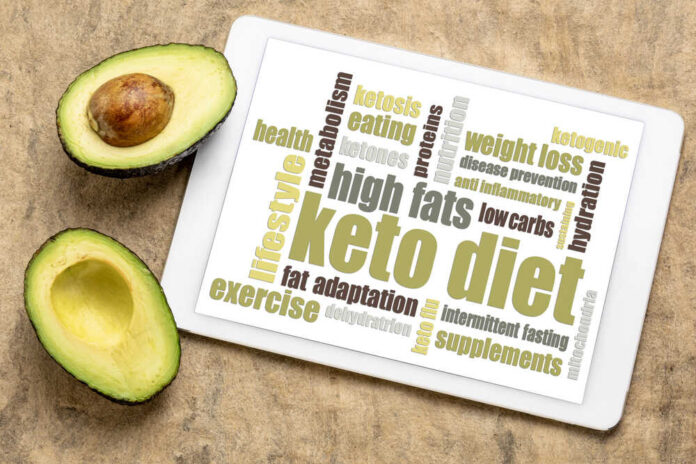
Now, before we all swear off fats entirely, let’s give credit where credit is due. Certain high-fat diets, like the ketogenic diet, which is high in fats but low in carbs, have been shown to reduce inflammation and pain sensitivity in some people. The key is that the fats in a keto diet come from healthy sources like avocados, olive oil, and fatty fish, and the overall reduction in carbs helps lower blood sugar and inflammation.
Ketones (the byproduct of a fat-based metabolism) have anti-inflammatory effects, which is why some people with chronic pain conditions, like arthritis or migraines, report less pain on a keto diet. But remember, it’s not all about the fats—it’s about the right kinds of fats and balancing everything out with anti-inflammatory foods.
- How to Manage Fat to Keep Pain in Check (and Still Enjoy Tasty Food)
Here’s how to keep fats on your side without making pain a bigger problem:
- Opt for Healthy Fats: Embrace fats from sources like olive oil, avocados, nuts, seeds, and fatty fish. These fats have anti-inflammatory properties that may help ease pain, not increase it.
- Limit Unhealthy Fats: Cut back on foods high in saturated and trans fats, like fried foods, processed snacks, and fatty cuts of meat. These can worsen inflammation and make pain sensitivity worse.
- Balance Your Diet: Remember that fat should be part of a balanced diet that includes plenty of fruits, vegetables, whole grains, and lean proteins. Fiber and antioxidants are essential for reducing inflammation and keeping pain at bay.
- Embrace Omega-3s: Add omega-3-rich foods like salmon, flaxseeds, chia seeds, and walnuts to your daily routine. These healthy fats can help keep inflammation under control and may reduce pain sensitivity.
Can a High-Fat Diet Hurt or Help Your Pain?
The answer is: it depends! A high-fat diet made up of unhealthy fats can definitely crank up inflammation and make pain feel worse. But if you load up on healthy fats—especially omega-3s—and balance them with nutrient-rich, anti-inflammatory foods, you might just find that fat is more of a friend than a foe when it comes to managing pain.
So, next time you reach for that buttery croissant, maybe swap it for some avocado toast drizzled with olive oil. Your taste buds (and your joints) will thank you!
Copyright 2025, GoHealthier.com