
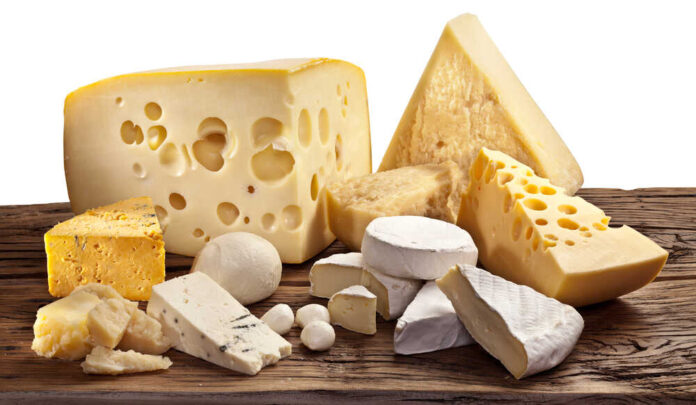
Who doesn’t love cheese? Even those who are lactose intolerant often pop Lactaid just to be able to consume the stuff. Cheese frequently evokes mixed feelings when it comes to health. On one hand, it’s a delicious, comforting food that graces countless meals around the world, from pizza to pasta to a simple cheese board. On the other hand, it’s sometimes considered a food that should be eaten sparingly due to its fat and calorie content, particularly in modern health-conscious circles. With so many opinions and conflicting information on the subject, the question arises: Could cheese actually be good for you?
- The Nutritional Powerhouse of Cheese
Cheese is a nutrient-dense food, meaning that it packs a lot of nutrients into a small serving. It is made by coagulating milk proteins and separating the curds from the whey, a process that concentrates the nutrients. Here’s a breakdown of the key nutrients found in cheese:
- Protein: Cheese is an excellent source of protein, which is essential for muscle repair, immune function, and overall cell health. The protein in cheese is high-quality, containing all the essential amino acids that the body cannot produce on its own.
- Calcium: Cheese is one of the best dietary sources of calcium, a mineral that plays a critical role in maintaining strong bones and teeth, as well as in muscle function, nerve transmission, and blood clotting. A single serving of cheese can provide a substantial portion of the recommended daily intake of calcium.
- Vitamins: Cheese is rich in fat-soluble vitamins, such as vitamin A, which supports eye health, immune function, and skin health. It also contains B vitamins, including B12, riboflavin, and pantothenic acid, which play a role in energy metabolism and the health of the nervous system.
- Healthy Fats: While cheese is high in fat, much of the fat is in the form of saturated fat, which has raised concerns due to its potential link to heart disease. However, recent research suggests that the fat in cheese may not be as harmful as once thought. In fact, some studies suggest that the fats in cheese may have a more neutral or even beneficial effect on heart health when consumed as part of a balanced diet.
- Zinc and Phosphorus: Cheese is also a good source of zinc, which is essential for immune function, wound healing, and DNA synthesis. Phosphorus, which is crucial for bone health and energy production, is also abundant in cheese.
- The Potential Health Benefits of Cheese
a) Bone Health
Given its high calcium and phosphorus content, cheese can be an excellent ally for maintaining bone health, particularly as we age. Calcium helps to strengthen bone mass, while phosphorus works alongside calcium to improve bone structure. Studies have shown that cheese consumption may be linked to a lower risk of osteoporosis and bone fractures, especially when consumed as part of a balanced diet.
Furthermore, cheese is often fermented, which means it contains beneficial bacteria (probiotics) that can support gut health. These probiotics may also enhance the body’s ability to absorb calcium, making cheese an even more effective tool for strengthening bones.
b) Heart Health
The relationship between cheese and heart health has been a topic of ongoing debate. Cheese is rich in saturated fat, which was historically thought to increase LDL (bad) cholesterol and contribute to heart disease. However, recent research has suggested that the link between saturated fat and heart disease may not be as clear-cut as once believed.
Some studies have found that cheese consumption is not associated with an increased risk of cardiovascular disease. In fact, certain varieties of cheese, such as those made from grass-fed milk, may contain higher levels of omega-3 fatty acids, which are known to have heart-protective effects. Additionally, fermented cheeses may contain compounds that improve blood vessel function and reduce inflammation.
While cheese is high in fat, moderation is key. When consumed in reasonable amounts, cheese may not only be a tasty addition to your diet but also a component of a heart-healthy eating plan, especially when paired with a balanced diet that includes fruits, vegetables, whole grains, and healthy fats.
c) Gut Health
The fermentation process involved in making cheese introduces probiotics, the beneficial bacteria that promote gut health. Probiotics are known to improve digestion, support the immune system, and even reduce symptoms of irritable bowel syndrome (IBS) and other digestive disorders.
However, not all cheeses contain probiotics. In general, aged, hard cheeses such as cheddar, Gouda, and Swiss are more likely to contain live cultures. Fresh cheeses like ricotta or cream cheese may not provide the same probiotic benefits. If gut health is a concern, look for cheeses labeled as containing live and active cultures.
d) Weight Management
While cheese is calorie-dense, there is some evidence to suggest that it can help with weight management. A study published in The American Journal of Clinical Nutrition found that dairy consumption, including cheese, was associated with better body composition and reduced fat mass. This may be because the combination of protein, fat, and calcium in cheese helps increase satiety and reduce overall calorie intake.
Furthermore, the fat in cheese, particularly in full-fat varieties, may play a role in regulating hormones that control hunger and satiety. This can help prevent overeating and support healthier eating patterns.
3. Potential Risks of Cheese Consumption
a) High in Saturated Fat
The most significant concern surrounding cheese is its high content of saturated fat, which has long been associated with increased LDL cholesterol and a higher risk of heart disease. While newer research challenges the simplicity of this relationship, it’s still a good idea to be mindful of your overall intake of saturated fat.
To minimize the risks, opt for lower-fat cheese options or consume full-fat cheese in moderation. Additionally, choosing cheeses that are made from grass-fed cows may offer a better fatty acid profile, with higher levels of omega-3s and conjugated linoleic acid (CLA), which may have beneficial effects on health.
b) Sodium Content
Many types of cheese, especially processed cheeses, are high in sodium. Excess sodium in the diet can contribute to high blood pressure, a risk factor for cardiovascular disease. Individuals with hypertension or those looking to reduce sodium intake should be cautious with their cheese consumption.
To avoid excessive sodium, opt for natural, unprocessed cheeses, and keep portion sizes in check. Additionally, consider rinsing some cheeses, such as feta, to reduce their sodium content.
c) Lactose Intolerance
For those with lactose intolerance, cheese can be problematic. While hard cheeses like cheddar, Parmesan, and Swiss have lower levels of lactose due to the fermentation process, soft cheeses and fresh cheeses (like ricotta and cream cheese) tend to have higher lactose content. Lactose intolerant individuals may experience bloating, gas, and discomfort after consuming these cheeses.
Choosing lactose-free varieties or cheeses that are naturally low in lactose can help mitigate these issues.
d) Weight Gain
While cheese can support satiety and help with weight management when consumed in moderation, its calorie density means that overeating it can contribute to excess calorie intake and potential weight gain. Cheese is rich in both fats and proteins, which makes it easy to consume in large quantities without realizing it.
- How to Incorporate Cheese Into a Healthy Diet
Cheese can absolutely be part of a healthy, balanced diet. Here are some strategies for enjoying cheese while reaping its nutritional benefits:
- Portion Control: Be mindful of portion sizes. A small serving (about one ounce) can provide substantial nutritional benefits without excessive calories or fat.
- Choose High-Quality, Natural Cheeses: Opt for natural cheeses, such as aged cheddar, Gouda, and Swiss, which offer a richer nutrient profile and fewer additives compared to processed cheeses.
- Balance with Vegetables: Pair cheese with vegetables or fruits to enhance the nutrient density of your meals. For example, try cheese with fresh salads, roasted vegetables, or fruit for a more well-rounded snack or meal.
- Choose Grass-Fed Varieties: Grass-fed cheese may contain a better balance of fats, including more heart-healthy omega-3 fatty acids and CLA, which can offer additional health benefits.
- Watch the Sodium: Be cautious with salty cheeses like feta and processed varieties. Check labels to choose options lower in sodium.
Cheese can be a nutritious and flavorful part of your diet when consumed in moderation. It offers high-quality protein, calcium, healthy fats, and vitamins that support various aspects of health, from bone strength to gut health. However, like any food, it’s important to consume cheese mindfully. Opt for high-quality varieties, be mindful of portions, and balance your intake with other nutrient-dense foods to ensure that cheese enhances rather than detracts from your overall health.
Ultimately, cheese can be a valuable addition to a healthy lifestyle when enjoyed in moderation and as part of a well-rounded, nutrient-dense diet, and that’s exciting news for cheese lovers the world around.
Copyright 2025, GoHealthier.com