
Have you ever found yourself in the position where you are crushing it at the gym, you are sleeping 8-9 hours, your recovery is scheduled in, and your nutrition is on point, but you still aren’t putting on muscle? In the world of hypertrophy—the science of growing bigger, stronger muscles—we often obsess over training programs, protein intake, recovery hacks, and supplements. But there’s one sneaky saboteur that’s often overlooked: your medicine cabinet.
Yes, certain common medications could be quietly working against your gains. While these drugs are often necessary for health conditions, understanding their potential impact on muscle growth can help you make more informed decisions—and maybe even tweak your strategy to outsmart them.
Here’s a breakdown of some muscle-sabotaging culprits and how they throw a wrench into your hypertrophy hustle:
1. Corticosteroids (e.g., Prednisone)
What they’re for: Inflammation, autoimmune disorders, asthma, allergic reactions.
Why they’re bad for muscle:
Corticosteroids are catabolic by nature—meaning they break things down, including muscle tissue. Long-term use can lead to muscle wasting (called steroid-induced myopathy) and a suppressed protein synthesis response. They also increase cortisol levels, which opposes muscle growth.
Workaround: If short-term, the damage is minimal. But for chronic use, talk to your doctor about alternatives, and increase your focus on resistance training and protein intake.
2. Statins (e.g., Atorvastatin, Simvastatin)
What they’re for: Lowering cholesterol and reducing heart disease risk.
Why they’re bad for muscle:
Statins can cause muscle pain, weakness, and even a breakdown of muscle fibers (rhabdomyolysis in rare cases). While not everyone experiences side effects, they can interfere with your ability to train hard and recover.
Workaround: Coenzyme Q10 (CoQ10) supplementation may help reduce statin-related muscle issues—always with your doctor’s supervision.
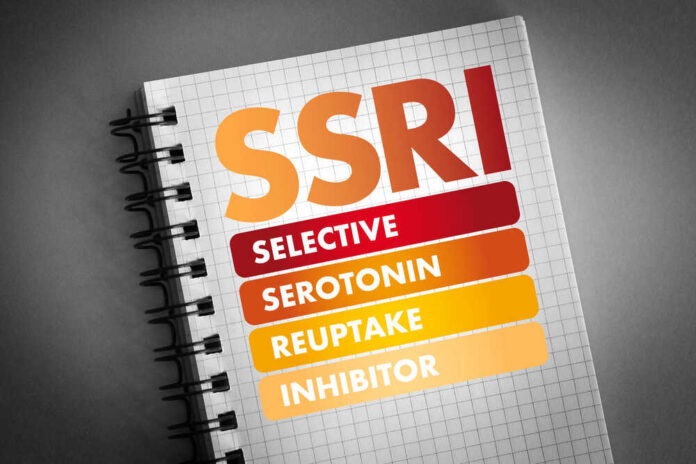
3. Selective Serotonin Reuptake Inhibitors (SSRIs)
What they’re for: Depression, anxiety, OCD.
Why they’re bad for muscle:
Some studies suggest SSRIs may reduce testosterone levels or blunt the hormonal environment needed for optimal muscle repair and growth. They can also affect motivation and energy—two key drivers for training intensity.
Workaround: If you’re taking SSRIs, keep up your training and focus on quality sleep and nutrition to counteract any negative effects. Resistance training can actually improve mood, creating a helpful feedback loop.
4. Antihistamines (e.g., Diphenhydramine, Loratadine)
What they’re for: Allergies, sleep aids (Benadryl), cold symptoms.
Why they’re bad for muscle:
Some research shows that antihistamines may blunt the muscle repair process post-workout by interfering with satellite cell activity—key players in muscle regeneration. They may also make you drowsy, killing your drive to train.
Workaround: Use only when necessary, and opt for non-drowsy options if you’re training consistently.
5. Beta Blockers (e.g., Metoprolol, Propranolol)
What they’re for: High blood pressure, heart conditions, anxiety.
Why they’re bad for muscle:
Beta blockers reduce your heart rate and may lower exercise capacity and endurance. Less intensity and lower training volume = fewer hypertrophic gains. They may also blunt the anabolic hormonal response to resistance training.
Workaround: If you’re on beta blockers, resistance training is still beneficial—but pacing and volume may need to be adjusted. Talk to your physician about exercise-friendly options.
6. Anti-Androgens & 5-Alpha Reductase Inhibitors (e.g., Finasteride, Dutasteride)
What they’re for: Hair loss, prostate enlargement.
Why they’re bad for muscle:
These drugs block DHT, a potent androgen hormone involved in muscle growth. While not as anabolic as testosterone, DHT still plays a role in hypertrophy, especially in fast-twitch fiber development.
Workaround: If you’re taking these for hair loss and notice strength declines, have a conversation with your doctor about balancing muscle and cosmetic goals.
7. Glucophage (Metformin)
What it’s for: Type 2 diabetes, insulin resistance, sometimes prescribed off-label for longevity.
Why it’s bad for muscle:
Metformin may impair mitochondrial adaptations from exercise and slightly blunt hypertrophy signals, especially in older adults. Some evidence shows it may interfere with the mTOR pathway, which is central to muscle growth.
Workaround: Not a hypertrophy death sentence—but make sure you’re getting enough protein and dialing in resistance training. Longevity vs. gains is a personal choice.
What Can You Do?
1. Don’t panic. Many medications only modestly impact muscle gains, and some of the research is still evolving.
2. Talk to your doctor. Never stop a medication without medical advice. But if gains are important to you, it’s worth discussing possible alternatives.
3. Control what you can:
• Nail your nutrition (especially protein and micronutrients).
• Prioritize progressive overload in your training.
• Optimize sleep, hydration, and stress.
• Consider smart supplementation (e.g., creatine, omega-3s, CoQ10).
Your health always comes first—but your goals don’t have to be sacrificed. With smart training, solid recovery, and an honest conversation with your healthcare provider, you can still make impressive gains—even if a few meds are along for the ride.
If your biceps feel like they’ve hit a wall, it might not be your training plan—it might be your prescription. Stay informed, lift smart, and don’t let your muscle mojo be quietly undermined.
Copyright 2025, GoHealthier.com