
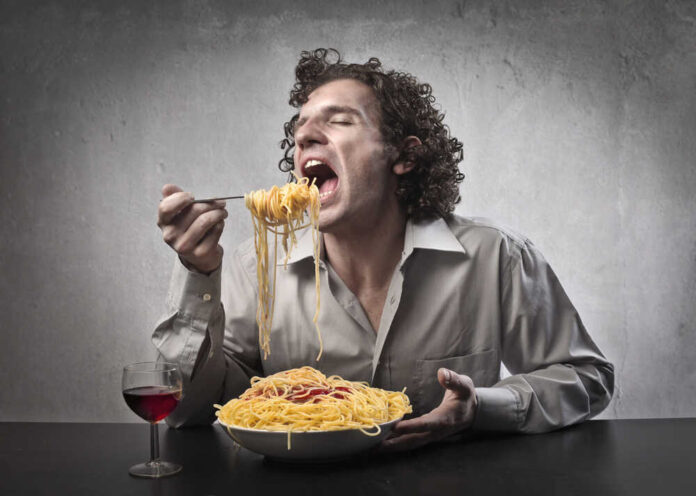
You don’t have to be Italian to love pasta, but sometimes the idea of staying, or getting, lean and enjoying those delicious noodles can seem counterintuitive. But you don’t have to break up with pasta, you just have to outsmart it. The usual knocks are blood-sugar spikes, easy overeating, weak protein, and heavy sauces, but these can be softened a lot with a few cooking and plating tweaks. Here’s a practical guide you can use tonight.
The Big Levers
- Glycemic impact: Lower the speed/amount of glucose hitting your bloodstream.
- Satiety per calorie: Make the meal keep you full so you naturally eat an appropriate amount.
- Protein & micronutrients: Bring up what pasta lacks.
- Energy density: Stretch volume with low-calorie foods so portions feel generous.
10 High-Impact Strategies
1) Go al dente
Softer pasta digests faster. Cook to a true al dente bite to slow digestion and blunt the glucose rise.
2) Use the “cook–cool–reheat” trick (resistant starch)
Cook the pasta, cool it in the fridge for 12+ hours, then eat it cold (pasta salad) or reheat gently. Cooling turns some starch into resistant starch, which behaves more like fiber.
3) Pick a better noodle
- Whole-grain: more fiber, slightly lower glycemic response.
- Legume-based (chickpea/lentil/edamame): higher protein and fiber; excellent when you want pasta as the main carb and protein.
- High-protein wheat blends: a middle ground when texture matters.
4) Front-load protein and plants
Eat a side salad or sautéed veggies first, and make the plate at least 50% vegetables. Add 25–40 g protein to the meal (chicken, shrimp, tuna, turkey, tofu/tempeh, eggs, Greek yogurt in sauces, or a bean/edamame pasta base). Fiber + protein = slower digestion, better fullness.
5) Add acid
A splash of vinegar (wine, balsamic) or lemon juice in dressing/sauce can modestly reduce post-meal glucose rise and brightens flavor so you can use less oil and cheese.
6) Mind the fat—but use it smartly
A bit of extra-virgin olive oil, olives, nuts, or pesto slows gastric emptying and boosts satiety. You don’t need much: 1–2 tsp oil per serving does the job. Trade cream sauces for tomato-based, veggie-heavy options when calories are a concern.
7) Portion like a pro
- A standard dry portion is 2 oz (56 g) (200 kcal; 1 cup cooked).
- Cutting or recomposition: 1–1.5 oz dry alongside lots of veg + protein.
- Heavy training days: 2.5–4 oz dry, depending on total carbs.
Use a scale until your eye is trained, because pasta can be deceptive.
8) Shape matters
Ridges and tubes (rigatoni, penne rigate) hold chunky, fiber-rich sauces and veg better than slick strands, helping you bias bites toward plants, not just pasta.
9) Sequence your bites
Eat veg → protein → pasta. Same calories, better blood-sugar profile and fullness.
10) Time it to your day
If you’re active, place pasta post-workout or before a demanding session. You’ll use the carbs, not wear them.
Build-A-Bowl Blueprint
- Base (choose one):
- 1–1.5 oz dry whole-grain pasta (cut/recomp)
- 2 oz dry regular pasta (maintenance)
- 2 oz dry legume pasta (higher protein)
- Vegetables (2–4 cups total):
- Fast options: frozen spinach/peas, jarred roasted peppers, cherry tomatoes, zucchini ribbons, mushrooms, broccoli.
- Protein (25–40 g):
- Chicken breast, turkey, shrimp, tuna, salmon, extra-firm tofu/tempeh, chicken sausage, or cottage/Greek yogurt in sauce.
- Sauce & accents:
- Tomato passata + garlic + chili + 1–2 tsp EVOO
- Pesto thinned with pasta water + lemon
- Yogurt-alfredo (Greek yogurt + Parmesan + garlic + pasta water)
- Finish with acid (lemon/vinegar) and fresh herbs.
- Optional extras: olives (2–4), capers, toasted nuts (1 tbsp), grated Parmesan (1–2 tbsp).
Smart Swaps Table
| Goal | Instead of | Try |
|---|---|---|
| Lower calories | Heavy cream sauce | Tomato/veg base + yogurt-Parmesan finish |
| Higher protein | Plain wheat pasta | Legume or high-protein blend |
| Better glycemic control | Overcooked noodles | Al dente + cool/reheat |
| More fullness | Pasta-only bowl | 50% veg volume + 25–40 g protein |
| Flavor pop w/ fewer calories | Extra oil/cheese | Herbs, lemon, vinegar, garlic, chili |
Example Menus
1) 500–600 kcal “cut-friendly”
- 1.5 oz dry whole-grain penne
- 6 oz shrimp, 3 cups broccoli/mushrooms
- Tomato-garlic sauce, 1 tsp EVOO, lemon, parsley
- Side salad with balsamic
2) 700–800 kcal “maintenance”
- 2 oz dry wheat rigatoni (cooked yesterday, reheated)
- 5 oz chicken sausage, 2 cups peppers/onions, 1 cup spinach
- Pesto (1 tbsp) + pasta water + lemon
- Parmesan (1 tbsp)
3) 800–1000 kcal “training day”
- 3–4 oz dry spaghetti (al dente)
- 6 oz salmon, 3 cups zucchini/tomatoes
- Olive-tomato sauce, olives, capers, basil
If pasta bothers your gut
- Gluten sensitivity: Try certified gluten-free or legume-based.
- FODMAP issues: Many sauces (garlic/onion) are triggers—use garlic-infused oil, chives, or asafoetida.
- Portioning: Larger single servings can bloat; split into two smaller meals.
Sodium & sauce sanity
Restaurant and jarred sauces can be salty. If blood pressure is a concern, look for ≤140 mg sodium per ¼ cup or make quick sauces from canned no-salt tomatoes, herbs, and aromatics.
Quick FAQs
Does whole-grain always beat white?
Whole-grain tends to reduce glycemic impact and adds fiber; texture preference matters for adherence. Use sauces/veg/protein to close the gap when you choose white.
Are legume pastas “free protein”?
They help, but still deliver carbs. Great when you want a higher protein base without meat/dairy.
Do vinegar shots work?
You don’t need a shot, simply integrate 1–2 tsp vinegar into a salad or sauce.
A simple “Pasta, but Smarter” routine
- Weeknights: 1–2 oz dry pasta + 3–4 cups veg + 25–35 g protein.
- Cook ahead: Make a big batch, cool overnight, and build lunches from it.
- Training days: Slide the portion up, and on rest days, slide it down.
- Always: Al dente, acid, herbs, and a measured drizzle of EVOO.
You don’t have to quit pasta to manage blood sugar, calories, or cravings. Cook al dente, leverage cooling, front-load veg and protein, add acid, and portion with intention. Same comfort food, far fewer downsides.
Copyright 2025, GoHealthier.com