

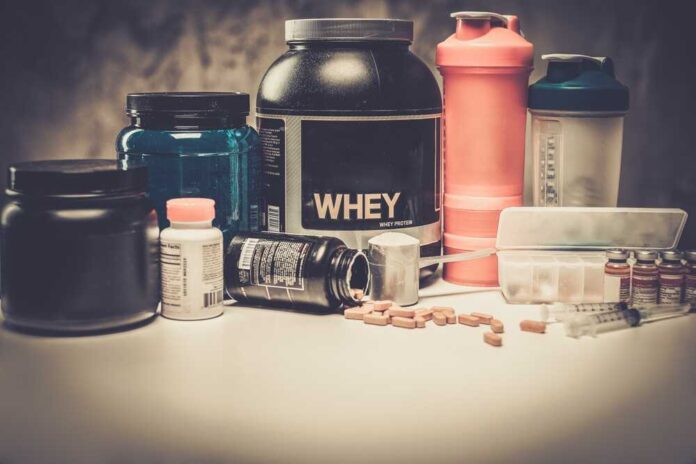
The world of nutrition can be tricky, especially when it comes to obesity and diabetes. When you think of whey protein, bodybuilders or those trying to put on mass probably come to mind, which isn’t helpful in the case of diabetes or obesity. However, it turns out that there can be some modest benefits to whey protein in both cases. A small dose of whey before meals can flatten the after-meal glucose spike in people with diabetes or insulin resistance, and adding whey to a calorie-deficit plan can help lose more fat while keeping muscle, which supports metabolic health. It’s not magic, but it’s a smart, inexpensive assist when used correctly. Let’s dig into the science behind the benefits of whey protein.
The science behind why whey helps
Whey is rich in rapidly absorbed amino acids, especially leucine, which, when taken right before eating can:
- Slow gastric emptying (food leaves the stomach more slowly)
- Boost insulin and incretin hormones (GLP-1, GIP)
- Increase fullness—so you often eat a little less.
Clinical studies demonstrate that these mechanisms translate into lower post-meal blood sugar levels.
Evidence for diabetes / blood sugar
- Pre-meal whey “shot” works acutely. Randomized trials show 15–30 g of whey taken 10–15 minutes before meals reduces post-meal glucose in type 2 diabetes by enhancing insulin and incretin responses and slowing stomach emptying. Benefits show up at the very next meal.
- Reviews/meta-analyses conclude whey can improve post-prandial control and may modestly aid overall glycemic control when used regularly as part of a broader plan.
What it won’t do: Whey isn’t a substitute for prescribed meds (including GLP-1 receptor agonists), and long-term A1C changes are modest unless you also improve diet, activity, sleep, and weight.
Evidence for weight/fat loss
- In weight-loss programs, adding whey, or meeting higher protein targets, tends to produce slightly greater fat loss and better lean-mass retention vs. lower-protein diets, which is important for metabolic rate and glucose control. Meta-analyses/RCTs in people with overweight/obesity back this up.
How to use whey effectively
1) For blood sugar – pre-meal strategy
- Dose: 15–30 g whey protein 10–15 min before your two biggest meals.
- Form: Mix with water or use a ready-to-drink mini shake.
- If you count carbs or use mealtime insulin: monitor closely because post-meal glucose may drop more than usual. Coordinate with your clinician if you adjust doses.
2) For weight/fat loss – body-composition strategy
- Daily protein target: 1.2–1.6 g/kg/day (from all sources) during a calorie deficit; use whey to fill the gap, especially around workouts or as a high-protein breakfast.
- Practical: 20–30 g whey in a shake once or twice daily helps you hit target protein without many calories. Expect small but meaningful advantages for fat loss and muscle retention over 8–12+ weeks.
Picking a product
- Whey isolate, which is lowest in lactose, is easiest on sensitive stomachs, but whey concentrate is fine if you tolerate lactose.
- Choose brands with third-party testing (e.g., NSF/USP/Informed Choice) and less than 3–4 g of added sugar per scoop.
Safety & who should be cautious
- Kidney disease (CKD): High-protein plans are not appropriate without medical guidance. People with CKD often need lower protein if not on dialysis; discuss with your clinician or renal dietitian.
- Allergy/intolerance: Avoid if you have dairy/whey allergy; lactose intolerance usually does better with isolate.
- Meds: If you use mealtime insulin or sulfonylureas, track glucose; you may need dose adjustments when using a pre-meal whey strategy.
A simple starter plan
Option A – Glucose control focus
- 15–20 g whey in water 10–15 min before lunch and dinner for 2 weeks.
- Check your glucose 1–2 hours after meals and log the results; share any trends with your clinician.
Option B – Weight & muscle preservation
- Daily goal: 1.2–1.6 g/kg protein; use a 20–30 g whey shake at breakfast and/or post-workout. Pair with a modest calorie deficit and resistance training 2–3×/week.
Whey protein is a useful tool, but far from a cure: it can blunt after-meal glucose and support fat loss while preserving muscle when layered onto smart nutrition, movement, sleep, and meds as needed. Start small, be consistent for a few weeks, and track your numbers, and you should be able to see if it’s effective for you.
Copyright 2025, GoHealthier.com