

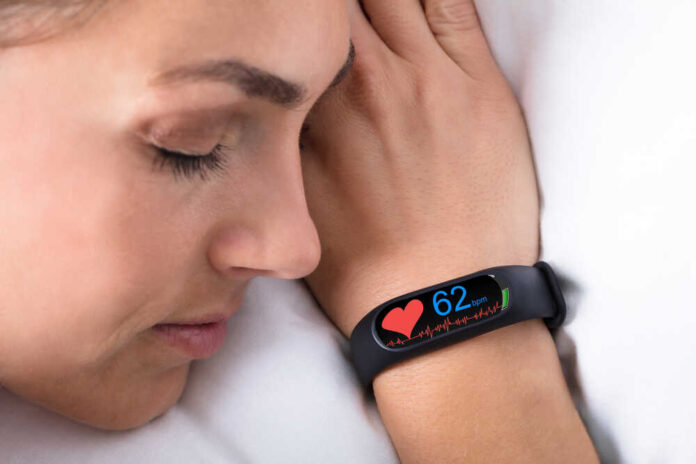
We have all experienced that awful feeling of sleep deprivation, in which we sleepwalk through our days like zombies, barely able to complete all our daily tasks, craving sugar and caffeine to keep us awake, and not super sharp or present in anything we do. But as terrible as sleep deprivation might feel to experience, too little sleep can have even more serious consequences for both your body and brain. Chronic sleep deprivation increases the risk of heart disease, obesity, type 2 diabetes, and weakened immunity. It also impairs memory, mood, concentration, and decision-making, while raising stress hormone levels like cortisol. Over time, inadequate sleep can even contribute to anxiety, depression, and a higher risk of neurodegenerative diseases. In short, sleep is not a luxury—it’s essential for your long-term health and mental well-being.
Notwithstanding, some of us struggle severely with insomnia or poor sleep hygiene. If you are one of these unfortunate people, then you may wonder if a sleep app could be the answer to your problems. Sleep apps can help improve sleep, but their effectiveness depends on what’s causing your sleep issues and how you use the app. They are not a cure-all, but they can be valuable tools for building better habits and increasing awareness of your sleep patterns.
Here’s what sleep apps can do well:
- Track Sleep Patterns
Most sleep apps utilize motion sensors (found in your phone or smartwatch) to estimate your sleep stages. While they aren’t as accurate as clinical sleep studies, they can reveal useful trends, such as how long you sleep, how often you wake up, and when you go to bed.
- Encourage Better Sleep Habits
Many apps include features like:
- Bedtime reminders
- Wind-down routines
- Progress tracking
These can help reinforce healthy sleep hygiene and consistency, key for long-term sleep improvement.
- Offer Relaxation Tools
Some sleep apps provide:
- Guided meditations
- Breathing exercises
- White noise or nature sounds
These tools can reduce stress and anxiety, making it easier to fall asleep.
- Identify Potential Sleep Issues
Apps that track snoring, breathing interruptions, or restlessness can offer clues about underlying problems like sleep apnea or insomnia, prompting you to seek medical advice.
Limitations and Caveats
- Accuracy: Most apps rely on actigraphy (movement-based data), which is significantly less accurate than sleep lab monitoring with EEG.
- Over-reliance: Constant tracking can lead to “orthosomnia”—anxiety about getting perfect sleep, which ironically makes sleep worse.
- Not a substitute for clinical help: If you have chronic insomnia, nightmares, or symptoms like gasping for air at night, a sleep app won’t replace a diagnosis from a sleep specialist.
Sleep apps aren’t a magic bullet. They can help improve awareness, consistency, and relaxation, particularly for individuals with mild sleep disturbances or poor sleep habits. Just don’t expect them to diagnose or resolve more serious medical issues.
Copyright 2025, GoHealthier.com