

Walk into any grocery store or scroll through social media, and you’ll likely be hit with bold claims about “superfoods” promising to boost energy, burn fat, prevent disease, and extend your life. From acai berries and chia seeds to spirulina and matcha, the term “superfood” has become a buzzword in modern wellness culture. But is the hype justified—or are superfoods more of a clever marketing strategy than a nutritional miracle? I think we all want quick fixes or hacks to make us healthier without exerting too much effort, but it’s essential to tune out the viral videos and really delve into what these foods can and cannot do for our health.
What Exactly Is a Superfood?
There’s no official or scientific definition of “superfood.” Marketers coined the term to describe nutrient-dense foods that are especially high in beneficial compounds like antioxidants, vitamins, minerals, and healthy fats. Think blueberries, kale, turmeric, salmon, and quinoa. These foods do have proven health benefits, but calling them “super” can oversimplify a much more complex nutritional picture.
The Good: Superfoods Can Be Nutritional Powerhouses
Many of the foods that earn the superfood label are undeniably rich in nutrients. For example:
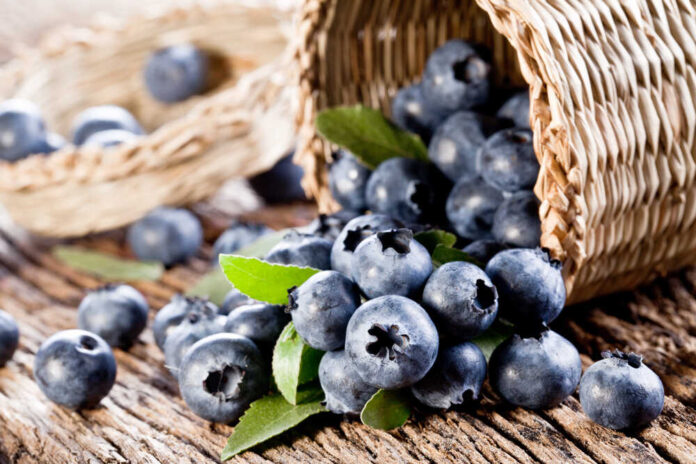
- Blueberries contain anthocyanins that support brain health.
- Salmon is packed with omega-3s, vital for heart and brain function.
- Turmeric contains curcumin, a compound with anti-inflammatory properties.
- Leafy greens like kale and spinach offer fiber, calcium, and antioxidants.
Incorporating these foods into your diet can support overall wellness, improve energy levels, and help lower the risk of chronic diseases. But here’s the key: no single food works in isolation.
The Catch: Nutrition Isn’t One-Size-Fits-All
The superfood label often distracts from an important truth: your overall diet and lifestyle matter far more than any individual ingredient. Eating a spoonful of goji berries or sprinkling chia seeds on your yogurt won’t cancel out a heavily processed diet or sedentary lifestyle.
Plus, many superfoods are expensive, exotic, or inaccessible to the average person. This can create the false impression that good health requires rare or trendy ingredients, when in fact, affordable staples like beans, oats, cabbage, carrots, and apples are just as beneficial.
The Marketing Machine Behind Superfoods
Food companies and wellness brands have capitalized on the superfood trend to sell products at premium prices. A bag of “superfood” trail mix or powdered supplements may cost significantly more than similar foods without the label, even if the nutritional content is comparable. In many cases, the health halo is more about branding than actual superiority.
A Smarter Way to Eat for Wellness
Instead of obsessing over superfoods, focus on a well-rounded, whole-foods-based diet that includes a variety of colorful fruits and vegetables, healthy fats, whole grains, lean proteins, and plenty of fiber. Variety is what creates synergy among nutrients, supporting digestion, immunity, energy, and long-term health.
If you enjoy superfoods, include them—but don’t fall for the myth that they’re essential or miraculous.
Superfoods are not a scam, but they’re not a shortcut to health, either. Many of these foods are truly beneficial, but they’re most effective when part of a balanced, consistent eating pattern. Wellness doesn’t come from one magic ingredient; it comes from sustainable, evidence-based habits. As with many other aspects of fitness and nutrition, there is no magic bullet or shortcut. To put it simply, being healthy requires effort.
Copyright 2025, GoHealthier.com