
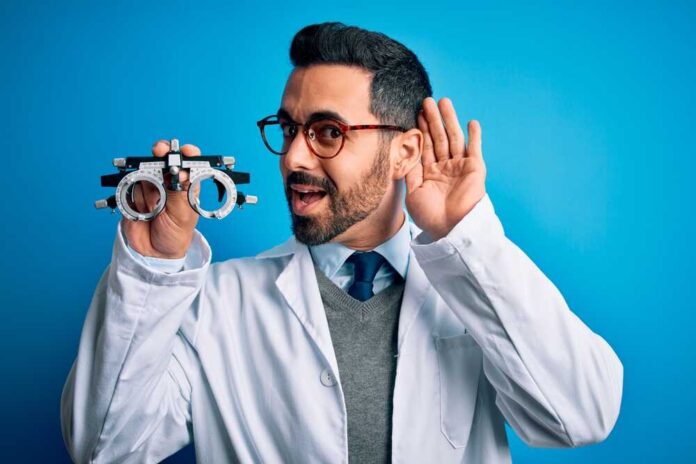
I think that there is a certain dread that comes with the idea of being at a party and not being able to hear the people talking to you because of the ambient noise, or being unable to read a menu at a restaurant because the lighting is a little too dim. However, as we grow older, many of us expect to need reading glasses or to ask people to repeat themselves more often. But does aging inevitably lead to vision and hearing loss? While it’s true that sensory decline is more common with age, it’s not always inevitable, and in many cases, it’s preventable or at least manageable with the right strategies. Let’s explore why these changes occur, the extent of our control, and what we can do to preserve our senses as we age.
The Science Behind Age-Related Vision Loss
Our eyes undergo several physiological changes over time. One of the earliest and most universal is presbyopia, the stiffening of the eye’s lens, which begins as early as your 40s and reduces your ability to focus on nearby objects. However, this change is usually correctable with glasses and does not reflect disease.
More serious conditions that affect vision include:
- Cataracts: Clouding of the lens that develops slowly over time. Cataracts are extremely common in older adults, but modern surgical removal is safe and highly effective.
- Age-Related Macular Degeneration (AMD): Affects the retina and can impair central vision. AMD is linked to genetics, smoking, and poor diet.
- Glaucoma: A group of diseases that damage the optic nerve, often due to elevated eye pressure. It progresses silently and can lead to blindness without early detection.
- Diabetic Retinopathy: High blood sugar can damage blood vessels in the eyes, leading to vision loss.
What Can Help?
You can significantly lower your risk of vision problems by:
- Getting comprehensive eye exams at least every 1–2 years.
- Wearing UV-protective sunglasses to reduce cumulative sun damage.
- Eating a nutrient-rich diet, especially vitamin A, lutein, zeaxanthin, omega-3s, and antioxidants.
- Managing chronic conditions like diabetes and hypertension.
- Not smoking, which doubles the risk of many eye diseases.
Understanding Age-Related Hearing Loss (Presbycusis)
Presbycusis is the gradual loss of hearing that affects both ears and usually becomes noticeable after age 60. It involves the deterioration of tiny hair cells in the cochlea of the inner ear, which are responsible for converting sound waves into electrical signals for the brain. Once these cells are damaged, they cannot regenerate.
Major contributors include:
- Long-term exposure to loud noise, which accelerates damage to inner ear structures.
- Poor circulation, which can reduce oxygen delivery to auditory cells.
- Chronic inflammation and oxidative stress, linked to poor diet, smoking, and other lifestyle factors.
- Ototoxic medications, which can harm auditory function.
Can You Prevent Hearing Loss?
While you can’t completely prevent the biological effects of aging, you can minimize hearing damage by:
- Protecting your ears from loud noises with earplugs or noise-canceling headphones.
- Lowering the volume on headphones and electronics.
- Maintaining cardiovascular health, as hearing and heart health are closely connected.
- Avoiding tobacco, which contributes to oxidative damage in the ear.
- Regular hearing screenings, especially if you notice signs like difficulty understanding conversations in noisy places.
Are These Changes Truly Inevitable?
Some degree of sensory decline is expected as the body ages. However, the severity and timing of vision and hearing loss are heavily influenced by lifestyle and health status. Studies show that many age-related changes once considered unavoidable—such as cataracts, high-frequency hearing loss, or even AMD—can be delayed or mitigated through preventive measures.
Furthermore, technological advances in vision correction, hearing aids, and even regenerative therapies (still under research) are rapidly changing how we age with sensory limitations.
What You Can Do Starting Today
- Adopt a diet rich in antioxidants, omega-3 fatty acids, and carotenoids.
- Wear sunglasses and hearing protection when exposed to sun or loud environments.
- Control chronic conditions like diabetes and high blood pressure.
- Get regular checkups with an optometrist and audiologist, even if you don’t notice problems.
- Avoid smoking and excessive alcohol, both of which accelerate aging of sensory cells.
- Move your body regularly, since physical activity improves circulation to sensory organs.
- Embrace assistive technology early—delaying hearing aid use, for example, is associated with faster cognitive decline.
Vision and hearing loss are common with age, but they aren’t set in stone. Your genetics may load the gun, but lifestyle choices pull the trigger. With preventive care, a nutrient-dense diet, and protective habits, you can preserve much of your sensory function well into your later decades. Aging doesn’t mean fading—especially if you act early. Remember that glasses, contacts, and hearing aids don’t define your age; they just make age-related decline much less unpleasant.
Copyright 2025, GoHealthier.com