

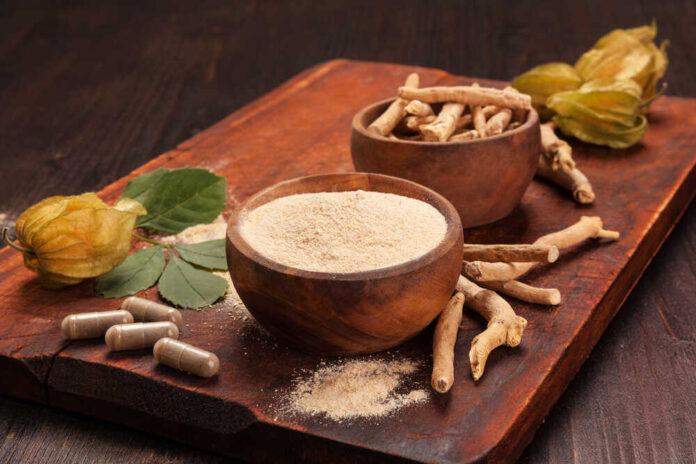
As we near the spooky season of Halloween, why not explore the magical world of adaptogens? They’ve been trending in smoothie shops, supplement aisles, and even coffee alternatives, often marketed as natural tonics for energy, focus, and resilience. But what exactly are adaptogens, and why would someone add them to their wellness routine? Let’s dig in.
What Are Adaptogens?
Adaptogens are a group of herbs, roots, and mushrooms believed to help the body adapt to stress (hence the name). The concept dates back thousands of years to Traditional Chinese Medicine (TCM) and Ayurveda, but the term adaptogen was coined in the mid-20th century by Russian scientists studying how certain plants helped soldiers, pilots, and workers withstand extreme conditions.
Unlike caffeine, which gives you a jolt of energy and then a crash, or sedatives, which push your body toward relaxation, adaptogens are thought to help restore balance—nudging your system toward homeostasis.
How Do They Work?
The science isn’t fully settled, but researchers believe adaptogens act on the hypothalamic-pituitary-adrenal (HPA) axis and the sympathoadrenal system—the parts of your body that regulate stress responses. Instead of pushing you one way or the other, they help modulate cortisol (the stress hormone) and other systems to keep things level.
Think of them as a thermostat for your body: when stress cranks up the heat, adaptogens bring it back down; when you’re dragging, they give you just enough lift.
Popular Adaptogens and Their Uses
- Ashwagandha: Known for calming the nervous system, supporting sleep, and potentially boosting testosterone and muscle recovery.
- Rhodiola Rosea: Favored for increasing endurance, energy, and mental sharpness, especially under fatigue.
- Holy Basil (Tulsi): Celebrated in Ayurveda for its ability to promote calm, support the immune system, and ease inflammation.
- Ginseng: Often used for energy, stamina, and improved cognitive performance.
- Cordyceps: A type of mushroom associated with enhanced athletic performance and oxygen utilization.
- Reishi Mushroom: Nicknamed the “mushroom of immortality,” often used for immune support and stress relief.
Why People Use Them
- Stress Management: Adaptogens are most famous for helping people feel more resilient in stressful times.
- Energy and Focus: Many adaptogens provide a gentle boost without the jitters of caffeine.
- Hormonal Balance: Some are used to help regulate cortisol, thyroid, or reproductive hormones.
- Immune Support: Certain adaptogens, especially mushrooms, are studied for their immune-modulating properties.
- Overall Vitality: Beyond targeted benefits, they’re often marketed as longevity aids.
What the Science Says
The evidence is promising but not conclusive. Some human studies show benefits—like reduced fatigue with rhodiola or lower stress scores with ashwagandha—while others are small or preliminary. Adaptogens are generally considered safe when taken in moderate doses, but they’re not miracle cures. They work best as part of a holistic approach alongside sleep, nutrition, and exercise.
How to Use Them
- Supplements: Capsules and tinctures make dosing easy.
- Powders: Popular in smoothies, lattes, and “superfood” blends.
- Teas: Tulsi and ginseng teas are widely available.
- Cooking: Some mushrooms can be added directly to soups or broths.
Always check quality—supplement purity can vary—and consult a healthcare provider if you’re on medication or have a health condition.
Ok, so adaptogens aren’t magic bullets, but they can be useful allies in managing stress, boosting energy, and supporting overall wellness. Think of them less as quick fixes and more as gentle nudges that help your body find balance. If you’re curious, try experimenting with one at a time, pay attention to how your body responds, and remember: they work best when paired with the basics of good health—sleep, movement, and nourishment.
Copyright 2025, GoHealthier.com