

It has long since been a motto of the nutrition world that eating late at night is a bad idea, but is that always true? Late-night eating is not automatically bad. Whether it helps or hurts depends on what you eat, how much, when you train, and your total daily calories and protein. For muscle gain, a smart pre-bed snack can actually support hypertrophy and recovery. For fat loss and health, the problem is usually extra calories and worse sleep, not the time on the clock.
Let’s unpack it.
Myth Check: “Everything you eat at night turns to fat”
Your body does not flip into fat-storage mode at 7 p.m.
What actually matters most are:
- Total calories over days and weeks
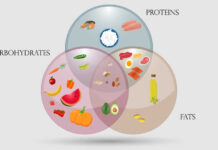
- Your macro balance, especially protein and fiber
- Your training and daily activity
- Your sleep and stress
Late-night eating becomes a problem when it:
- Adds a lot of unplanned calories
- Displaces protein and nutrients from the rest of the day
- Disturbs sleep or digestion
If a late meal is intentional, fits your macros, and does not wreck your sleep, there is nothing inherently “fattening” about the clock.
The Real Downsides of Late-Night Eating
- Extra, mindless calories
Most late-night food is:
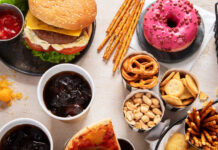
- Calorie dense (chips, ice cream, takeout, baked goods)
- Low in protein and fiber
- Eaten while distracted (TV, scrolling), so fullness cues get missed
Result: you overshoot your daily calories without realizing it.
- Worse sleep
Large or heavy meals close to bed can cause:
- Reflux or heartburn
- Elevated heart rate
- Fragmented sleep
Poor sleep then shows up as:
- Higher hunger and cravings the next day
- Lower training performance
- Slower recovery and worse mood
- Blood sugar and circadian rhythm
You tend to be a bit more insulin-resistant at night. Huge carb-heavy meals right before bed can:
- Spike blood sugar higher
- Sit heavier if you lie down immediately
For people with diabetes, prediabetes, or significant reflux, this timing matters more. For a healthy evening lifter having a moderate snack, it is usually manageable.
Where Late-Night Eating Can Help: Hypertrophy and Recovery
Here is the fun part: for building muscle, a planned pre-sleep protein feeding can be a genuine advantage.
Why pre-sleep protein can boost gains
When you sleep, you are:
- Fasting for 7–9 hours
- Repairing muscle tissue from training
- Still synthesizing proteins, especially after a workout
If you give your body slow-digesting protein before bed, you can:
- Keep blood amino-acid levels elevated overnight
- Reduce muscle breakdown
- Support more muscle protein synthesis through the night
This is especially useful if:
- You train in the late afternoon or evening
- You struggle to hit your daily protein target
- You are in a slight calorie deficit but trying to maintain muscle
It will not turn you into a bodybuilder by itself, but as part of a solid lifting and nutrition plan, it is a meaningful small edge.
Building a “Gains-Friendly” Late-Night Snack
The goal: high protein, moderate carbs, not too heavy, not junk.
Aim for roughly:
- Protein: 25–40 g
- Carbs: 20–40 g (especially if you trained that evening)
- Fat: moderate, so it does not sit like a brick
Good options:
- Casein shake, or a blend of whey and casein
- Greek yogurt with berries and a spoonful of oats or granola
- Cottage cheese with fruit and a few nuts or seeds
- A small turkey or chicken wrap on a high-fiber tortilla
- A bowl of tofu or tempeh with a small portion of rice or quinoa
If you get reflux, keep the meal smaller, avoid very fatty or spicy foods, and leave a bit of time before lying completely flat.
Late-Night Eating and Fat Loss
You can absolutely lose fat while eating at night, as long as:
- Your total daily calories are in a deficit
- Your late eating is planned, not a random raid on the pantry
- You still hit protein and fiber targets
For some people, a planned, protein-rich snack:
- Reduces late-night bingeing
- Makes the whole day easier to adhere to
- Prevents waking up starving and overdoing breakfast
For others, any eating at night flips a switch into “graze until I fall asleep.”
The key question is:
Does late-night eating make your overall diet easier or harder to stick to?
If it helps control hunger and fits your calories, it is a tool.
If it regularly leads to overeating, it is a problem.
Who Should Be Extra Careful With Night Eating?
- People with GERD/heartburn
- Those with diabetes or prediabetes
- Anyone with significant insomnia or sleep issues
In these cases, large late meals can do more harm than good. Smaller, earlier, and simpler is usually better.
A Simple Checklist: Is Your Late-Night Eating Okay?
You are probably fine if:
- Your weight and body composition are moving in the direction you want
- You are sleeping well most nights
- Your late-night food is not a junk-food binge
- You consistently hit your daily protein target
- You can train hard and feel recovered
You should rethink things if:
- You often wake up bloated, with reflux, or unrefreshed
- You frequently add 500–1,000 unplanned calories at night
- You keep trying to “fix” late overeating by skipping earlier meals
- Your weight is creeping up and evenings are the danger zone
How to Make Late Eating Work For You
- Plan it instead of drifting into it.
Decide your pre-bed snack in advance: what it is, how much, and roughly when. - Link it to training.
If you train in the evening, think of the snack as part of your recovery protocol, not an optional treat. - Adjust earlier meals.
If you want a 200–300 calorie night snack, trim a bit from earlier in the day so your total intake still matches your goal. - Keep it simple and repeatable.
Night is not the time for ultra-exciting foods that invite overeating. Good, predictable options work best. - Watch your sleep.
If you notice more awakenings or a racing heart after certain foods or portions, scale them back or move them earlier.
Late-night eating is not inherently bad, in fact, for muscle gain and recovery, a pre-sleep protein snack can be a small but real advantage. For fat loss, the clock matters far less than total calories, protein, and control. The true problems are unplanned bingeing, huge, heavy meals, and wrecked sleep, not a reasonable bowl of Greek yogurt at 10 p.m.
Copyright 2025, GoHealthier.com