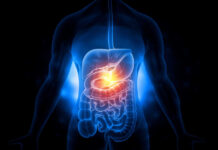


In my 20s, I could tear through a pizza or a pint of ice cream and not gain a pound, but as I inch closer to 50, even looking at those food items seems to drive the scale upwards. While having a fast metabolism is often talked about like a mysterious superpower, in reality, your metabolism is just the sum of all the processes that convert food into energy. And yes, it can speed up or slow down depending on age, lifestyle, hormones, and even stress. The good news? Your body usually gives you clear hints when your “engine” is running a little cooler than it should.
Here are some of the most common signs that your metabolism may be slowing down:
- Unexpected Weight Gain (or Difficulty Losing Weight)
The most obvious clue is when your weight creeps up even though your eating and activity haven’t changed. A slower metabolism means your body burns fewer calories at rest, so those “extra” calories start to store as fat more easily.
- Constant Fatigue
If you feel sluggish even after a good night’s sleep, your metabolism may not be converting food into usable energy as efficiently. People often describe this as having “no gas in the tank” despite fueling up.
- Feeling Cold More Often
Your metabolism generates heat as a byproduct of burning calories. If it’s slowed, you may feel chilly in rooms where everyone else seems fine, or your hands and feet might always feel cold.
- Dry Skin, Brittle Hair, or Weak Nails
Your skin, hair, and nails rely on steady cellular turnover, which depends on a healthy metabolism. If that process slows, you might notice dryness, thinning, or breakage more easily.
- Brain Fog and Difficulty Concentrating
Glucose is your brain’s primary energy source. If your body isn’t breaking it down and delivering it efficiently, your mental sharpness can take a hit—leading to forgetfulness or sluggish focus.
- Digestive Slowdown
A slower metabolism can sometimes show up as sluggish digestion—constipation, bloating, or feeling overly full after modest meals. Your digestive tract is heavily influenced by your overall energy turnover.
- Reduced Strength and Muscle Loss
Muscle mass is one of the biggest drivers of metabolic rate. If you’re losing muscle (from aging, inactivity, or insufficient protein), your metabolism will naturally slow down, creating a feedback loop of lower energy burn.
- Mood Changes
Metabolic slowdowns can sometimes connect to hormonal shifts (like thyroid issues). This can influence mood, causing irritability, low motivation, or even mild depressive symptoms.
- Changes in Appetite
Ironically, a sluggish metabolism can throw hunger cues out of whack. Some people feel hungrier (because energy isn’t being delivered efficiently), while others lose their appetite altogether.
Why Does Metabolism Slow Down?
- Aging: Natural muscle loss, less activity, and hormonal shifts.
- Dieting too aggressively: Cutting calories too hard can backfire by slowing metabolism as the body tries to “conserve.”
- Inactivity: Less movement = fewer calories burned + less muscle maintained.
- Hormonal factors: Thyroid conditions, insulin resistance, and low testosterone can all play a role.
- Sleep & stress: Poor recovery increases cortisol, which messes with energy use.
How to Rev It Back Up
- Strength training: Build and preserve muscle mass.
- Eat enough protein: Aim for ~1.6–2.2 g per kg of body weight.
- Prioritize sleep: At least 7–9 hours for optimal recovery.
- Stay active outside the gym: Walking, stretching, and light activity keep the “engine idling higher.”
- Check with a doctor if needed: Persistent fatigue, coldness, or hair/skin changes may signal a thyroid or hormonal issue.
Your metabolism is like a thermostat for energy. If it’s running low, your body will let you know through fatigue, weight changes, brain fog, and more. The trick isn’t to “hack” your metabolism with gimmicks but to support it with muscle-preserving strength training, adequate protein, good sleep, and stress management. Like most aspects of our bodies, we have some control over its function.
Copyright 2025, GoHealthier.com