

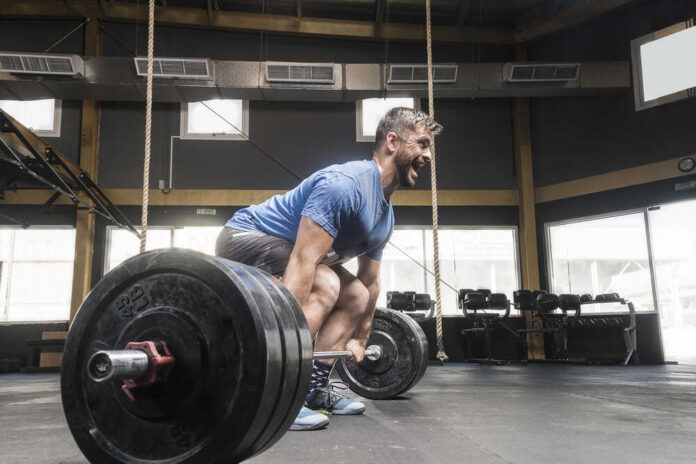
When you begin your weightlifting journey, every week seems exciting as you bust through PRs (personal records) from the previous week, but when you hit more of an intermediate stage, one to two years into lifting, you’re more likely to hit the dreaded plateaus. Despite hitting the gym regularly with a focus on your recovery and nutrition, your lifts are stuck, your muscles aren’t growing, and your mirror is starting to look suspiciously judgmental. Welcome to the land of the plateau—population: frustrated lifters everywhere.
The good news? Plateaus aren’t a sign to quit—they’re a sign your body has adapted. And adaptation is actually progress in disguise. You just need to shake things up.
- Change the Variables, Not Just the Weight
Progressive overload isn’t just about adding more plates. If your squat hasn’t budged in weeks, try tweaking:
- Tempo: Slow down the lowering phase (eccentric) to make your muscles work harder.
- Range of Motion: Pause at the bottom or go deeper.
- Grip or Stance: Narrow, wide, or offset grips can hit muscles differently.
Why it works: Your muscles get bored. Give them a new challenge and they’ll wake up again.
- Periodize Like a Pro
If you’ve been going heavy every session, you might be overtaxing your nervous system. Switch to a 4–6 week block with lighter weights, higher reps, and more volume. Then cycle back to heavier, lower-rep work.
Why it works: Alternating intensity gives your body a break while still building muscle endurance and strength.
- Pre-Exhaust Your Muscles
If your chest press has stalled, try fatiguing your pecs first with an isolation move (like cable flyes) before hitting the bench.
Why it works: Pre-exhaustion forces your muscles to work harder during compound lifts, recruiting more fibers.
- Upgrade Your Recovery
Sometimes the issue isn’t training—it’s everything else.
- Sleep: Aim for 7–9 hours.
- Protein: Shoot for 0.7–1g per pound of body weight.
- Deload Week: Take a week every 6–8 weeks to lift lighter or focus on mobility.
Why it works: Muscles grow when you rest, not while you train.
- Try Contrast Training
Pair a heavy lift with an explosive movement that uses the same muscles. Example: Heavy squats followed by jump squats.
Why it works: This stimulates your nervous system to recruit muscle fibers more efficiently.
- Mind the Mindset
Plateaus can be mental as much as physical. If you’re going through the motions, it’s time to re-light the fire:
- Train with a partner for friendly competition.
- Track progress in detail—small wins add up.
- Enter a friendly lifting challenge at your gym.
Why it works: Motivation drives intensity, and intensity drives progress.
- Eat for Growth (Even if It’s Temporary)
If your goal is strength or muscle gain, a slight calorie surplus can help you push past plateaus. Focus on whole foods—more lean protein, complex carbs, and healthy fats.
Why it works: Extra fuel means extra energy in the gym and more resources for muscle repair.
Plateaus aren’t the end—they’re a checkpoint, in fact, they are a rite of passage from beginner lifter to intermediate. If you’ve stopped moving forward, it’s your body’s polite way of saying, “Nice try, but you’ll need to get creative now.” Shake up your training, fuel and rest properly, and remember that breaking through a plateau feels even better than that first PR.
Copyright 2025, GoHealthier.com