

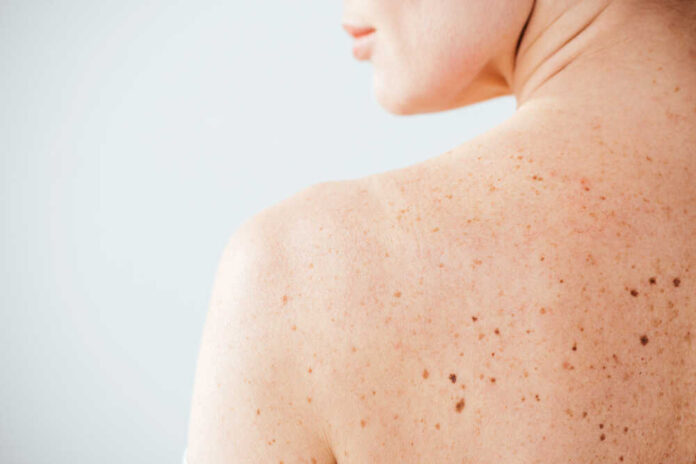
With skin cancer on the rise and melanoma, the deadliest form of skin cancer, rising 40% in the last 20 years, we know that keeping an eye on our skin health is important. While we’re trained to look for obvious issues—rashes, new moles, or persistent acne—some symptoms seem so minor or unusual that they’re easy to dismiss. But dermatologists warn: these “weird” skin symptoms may be your body’s early warning signs. Ignoring them could mean missing the chance to catch a health issue before it worsens. After all, your skin is often the first place your body shows signs of something deeper going wrong.
Here are some skin signs that may seem odd, but absolutely deserve attention.
- A Shiny, Waxy Bump That Won’t Go Away
Possible Cause: Basal Cell Carcinoma (BCC)
These subtle bumps often appear flesh-colored or pearly and can resemble a pimple that never heals. They may bleed, scab over, and return. BCC is the most common type of skin cancer, and while it rarely spreads, it can become disfiguring if left untreated.
What to do: See a dermatologist if any bump lasts more than a month without healing.
- A Dark Line on the Nail
Possible Cause: Subungual Melanoma
A brown or black streak running down the length of your nail can sometimes be a rare but dangerous form of melanoma. It’s often mistaken for bruising or nail trauma.
What to do: If you don’t recall injuring the nail—or if the line widens, darkens, or involves the cuticle—get it checked immediately.
- Sudden Velvety Patches Around the Neck or Armpits
Possible Cause: Acanthosis Nigricans
This condition causes dark, thickened, velvety skin in body folds and is often linked to insulin resistance, prediabetes, or hormonal imbalances.
What to do: A dermatologist may refer you to an endocrinologist. It’s not just a cosmetic issue—it can be an early red flag for type 2 diabetes.
- Unusual Itching Without a Rash
Possible Cause: Liver or Kidney Dysfunction, Blood Disorders, or Lymphoma
Itchy skin without visible irritation or a clear cause can sometimes be linked to systemic illness. If it’s persistent, especially at night, or worsens despite moisturizing, it could warrant a deeper look.
What to do: Persistent, unexplained itch should be brought up with a dermatologist and may require blood tests.
- Frequent, Tiny Red or Purple Dots
Possible Cause: Petechiae or Leukemia Cutis
These pinpoint spots—caused by bleeding under the skin—don’t fade with pressure and can sometimes signal a platelet disorder or blood-related condition, including leukemia.
What to do: Seek prompt medical evaluation, especially if these dots are spreading or accompanied by fatigue or bruising.
- New Moles in Adulthood
Possible Cause: Melanoma or Other Skin Cancers
While many people develop moles early in life, a brand-new mole appearing after age 30 is unusual and may require closer inspection.
What to do: Monitor for asymmetry, border irregularity, color variation, diameter over 6mm, and evolution (the ABCDEs of melanoma).
- Persistent Sores at the Corners of the Mouth
Possible Cause: Angular Cheilitis or Nutrient Deficiency
Cracks and sores at the corners of the mouth may be caused by a fungal infection, but they can also reflect deficiencies in B vitamins or iron.
What to do: A dermatologist can rule out infection, and blood work may help identify underlying nutritional issues.
- Yellowing Skin (Not Just the Eyes)
Possible Cause: Liver Disease or Gallbladder Dysfunction
We often associate jaundice with yellowing of the eyes, but it can start in the skin—especially around the hands and face.
What to do: If you notice yellowing skin or dark urine along with it, it’s time to seek medical care immediately.
- Skin Tags Appearing Rapidly
Possible Cause: Hormonal Changes or Insulin Resistance
While skin tags are common, a sudden cluster of them, especially around the neck or underarms, may be associated with blood sugar dysregulation.
What to do: They can be removed, but it’s wise to check blood glucose levels as well.
- Red or Purple Net-Like Pattern on the Skin
Possible Cause: Livedo Reticularis
This lace-like discoloration can be a sign of poor blood flow, autoimmune conditions, or even vascular disease.
What to do: If it’s persistent or associated with pain, cold extremities, or fatigue, see a dermatologist or vascular specialist.
We often think of our skin as just the protective outer layer that guards our truly important vital organs, but while skin may seem superficial, it offers deep insight into your health. The biggest mistake people make is brushing off unusual symptoms as cosmetic or insignificant. Dermatologists emphasize that early detection can save lives, whether it’s spotting a skin cancer early or catching a metabolic condition before it progresses.
If you notice something odd, persistent, or new with your skin, nails, or scalp—especially when it’s not responding to over-the-counter remedies—trust your instincts and make an appointment. Weird doesn’t always mean serious, but when it does, it’s better to catch it early.
Copyright 2025, GoHealthier.com